
Last updated September 22, 2026
Level 1 sweep and inspection to the NFPA 211 annual standard - flue, crown, cap, and flashing checked and photographed
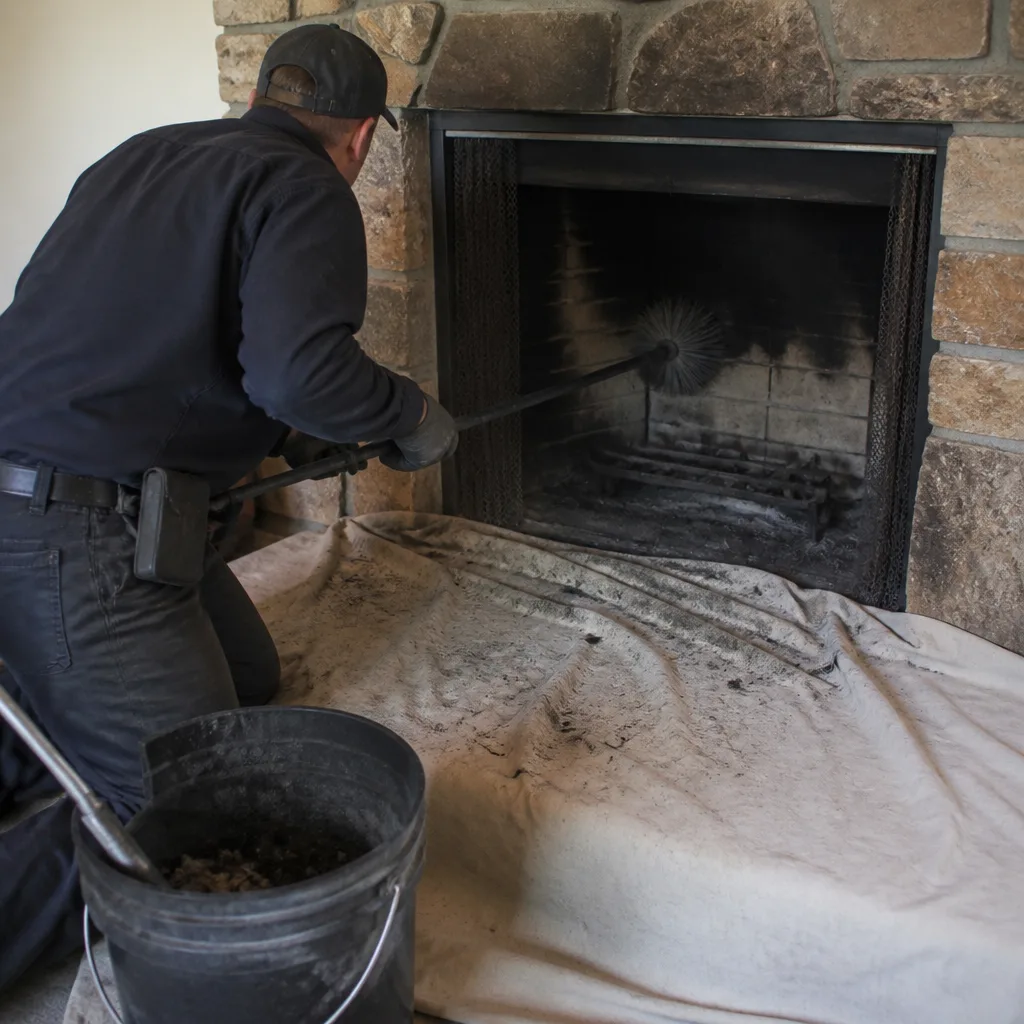
Chimney sweep logs do not sweep chimneys. They loosen some creosote - which then falls where a brush and vacuum still have to collect it.
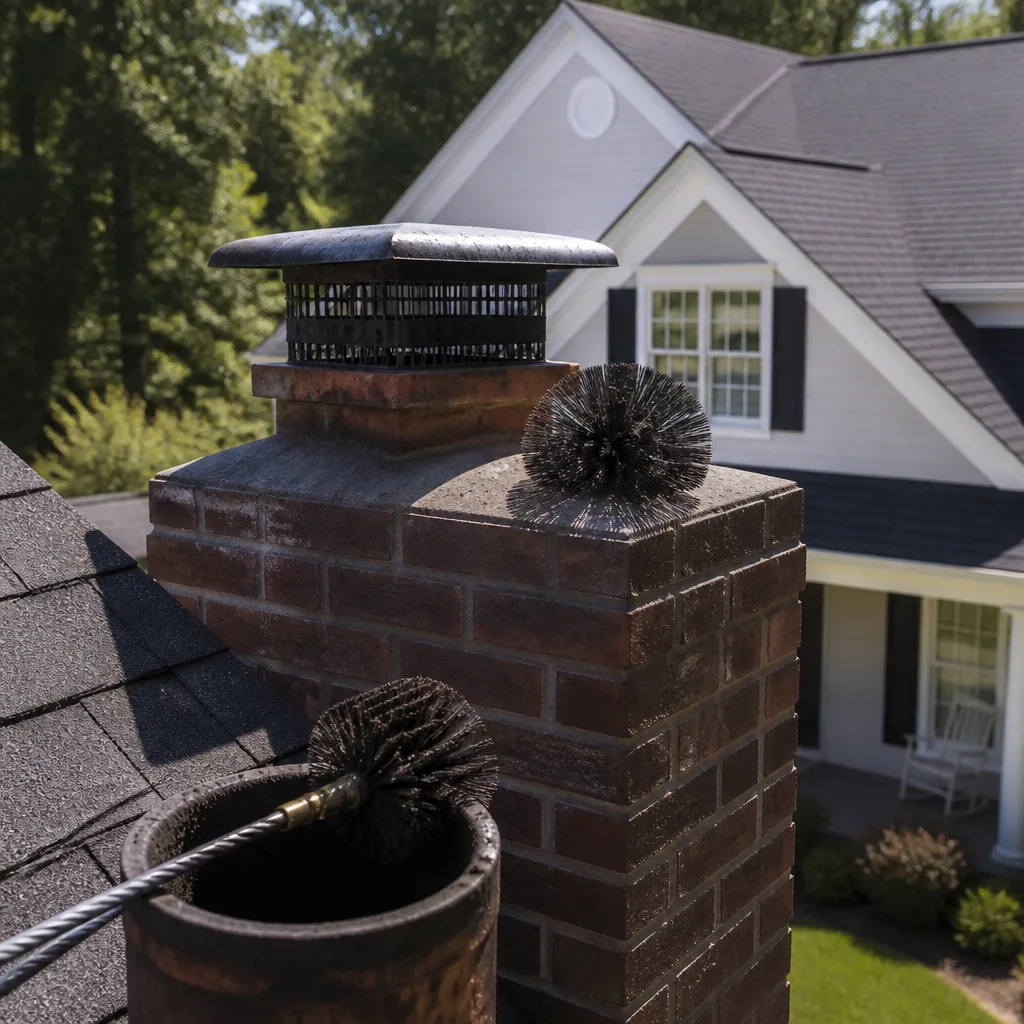
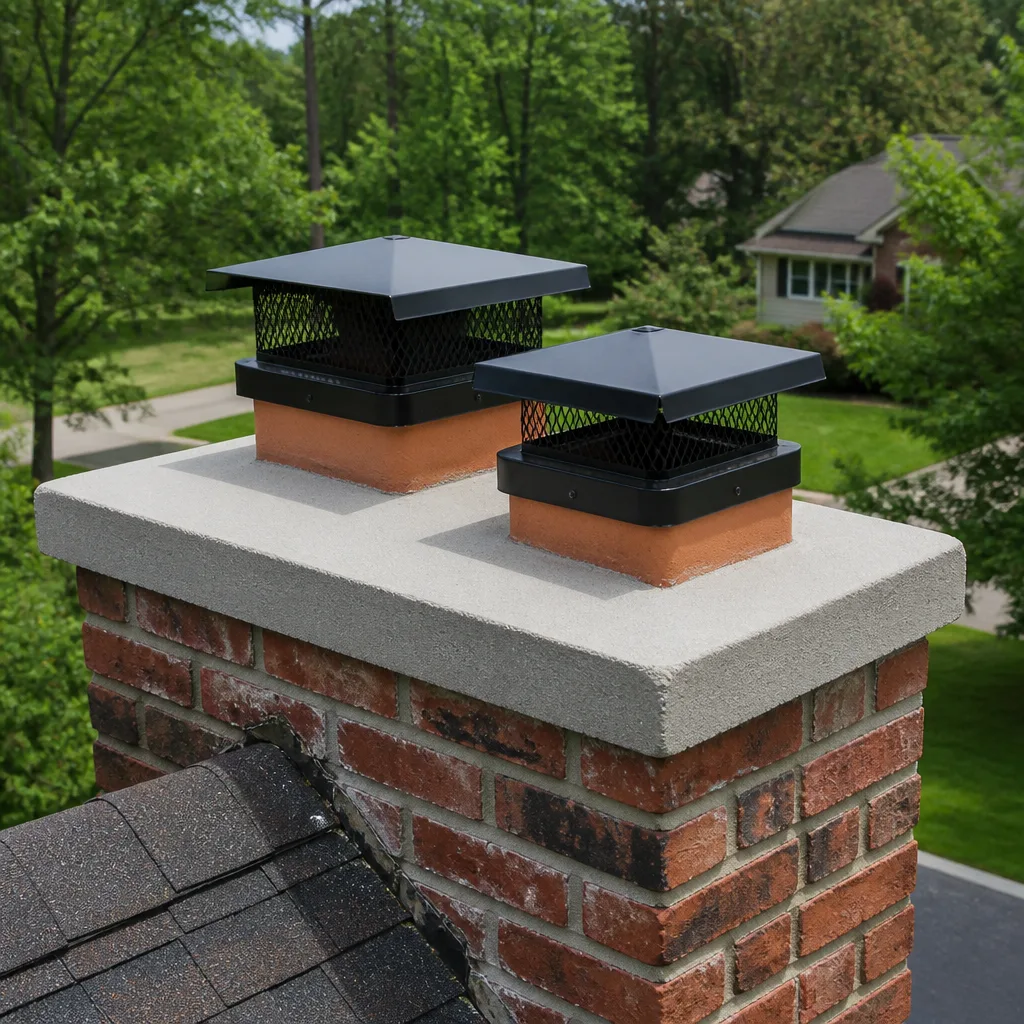
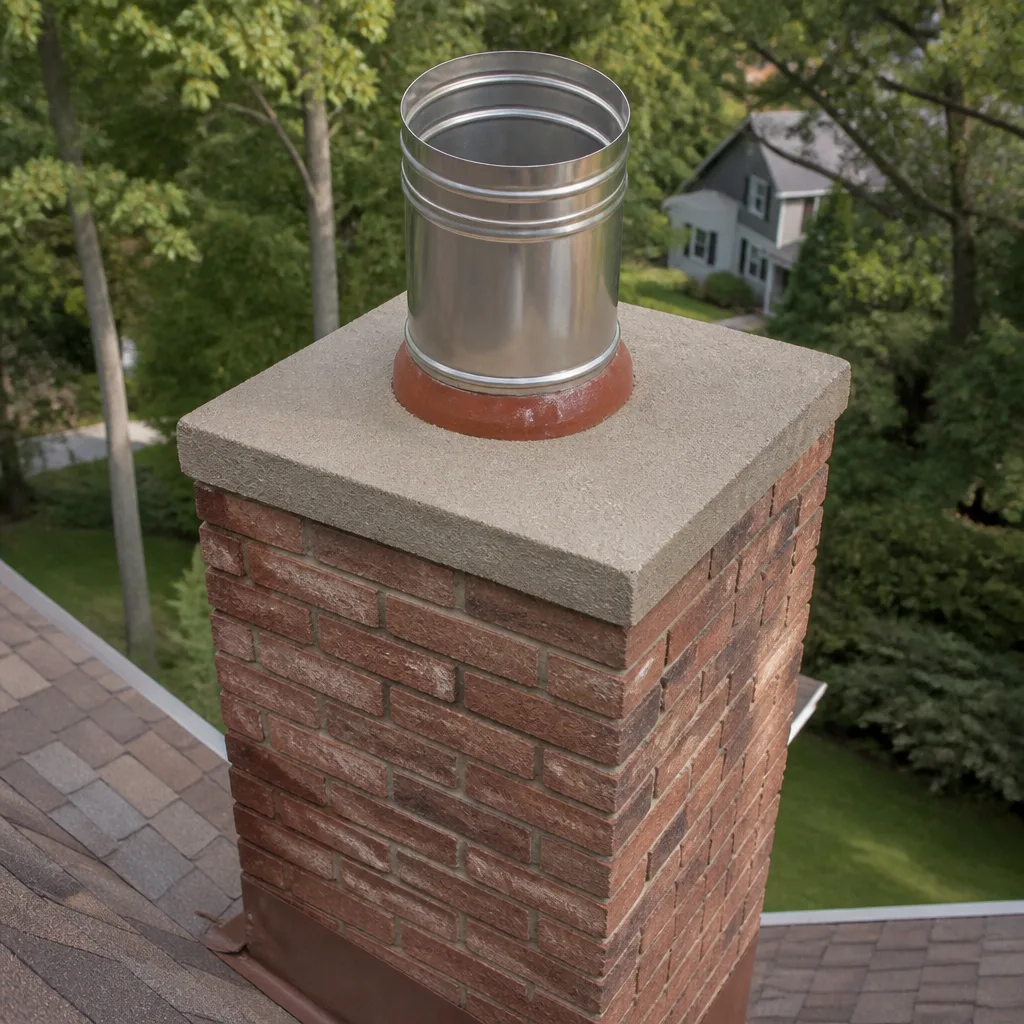
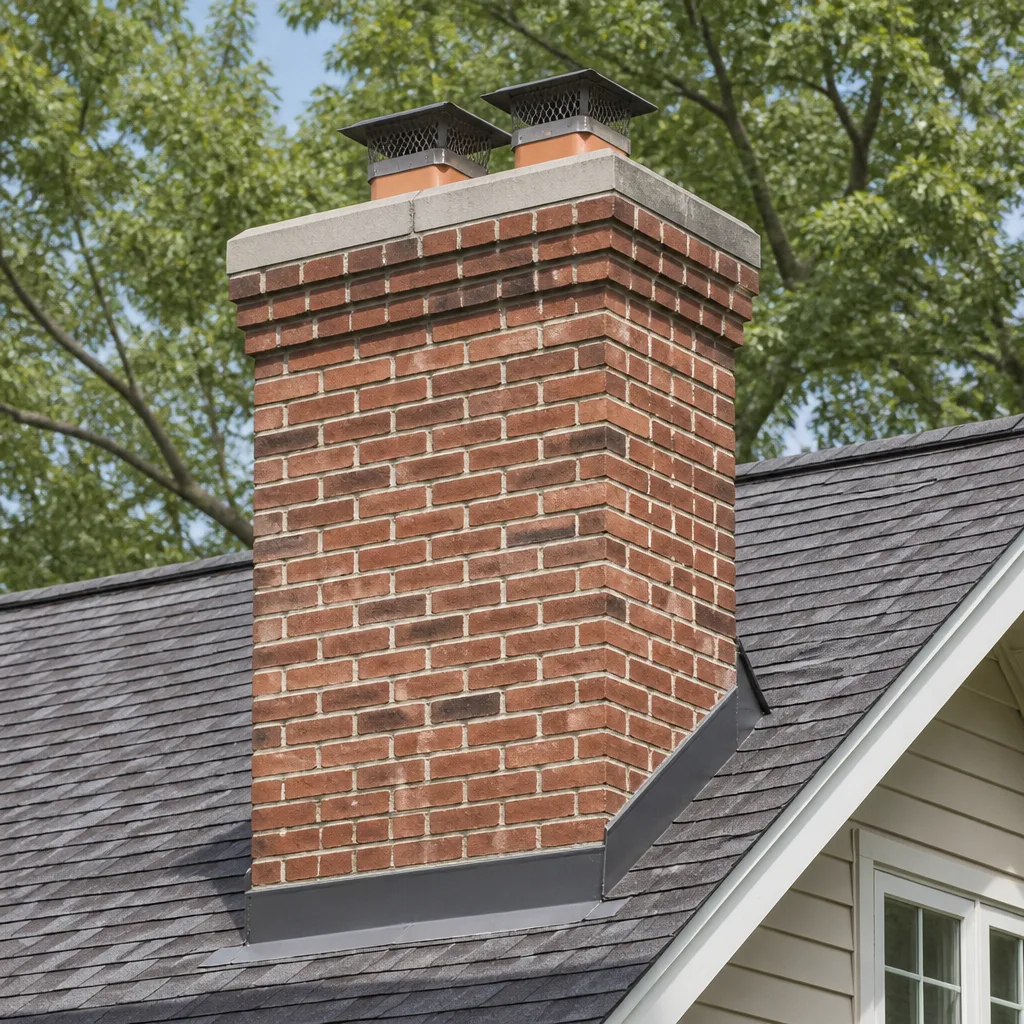
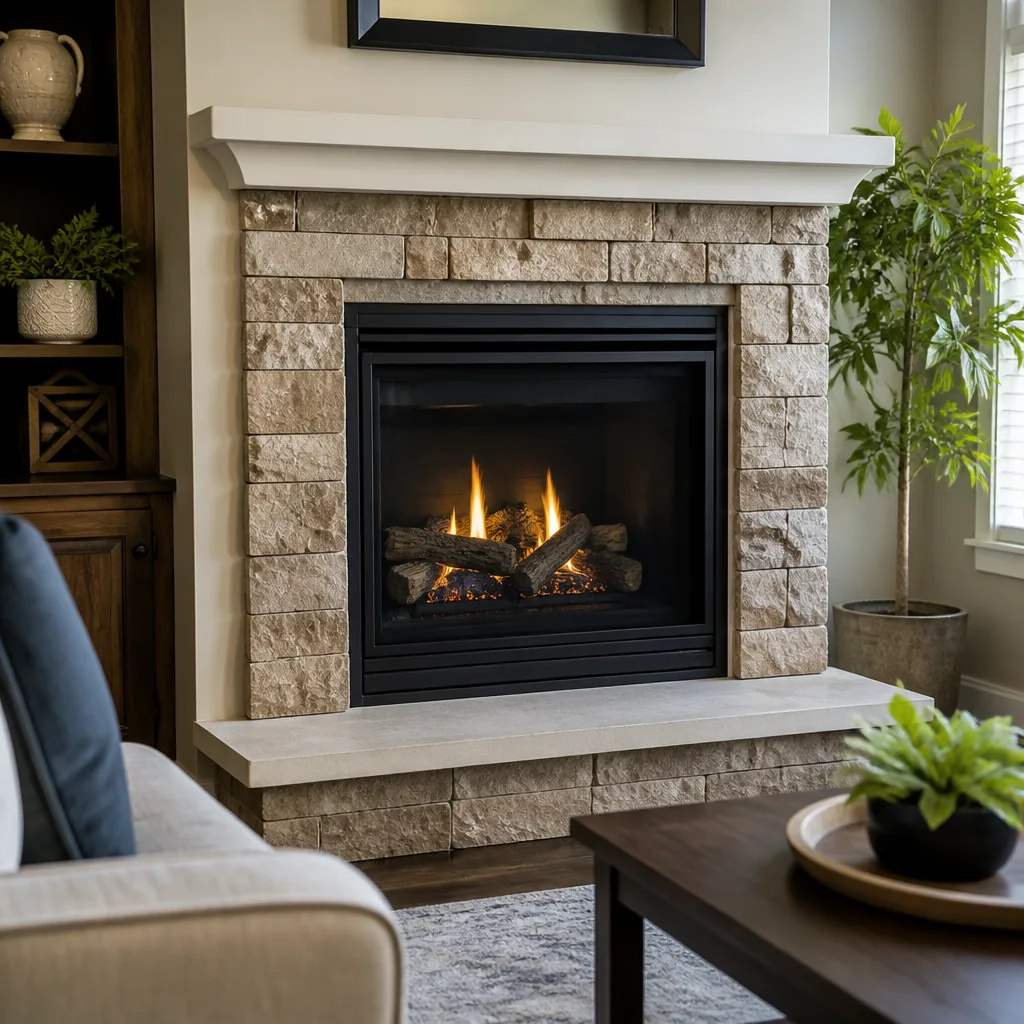
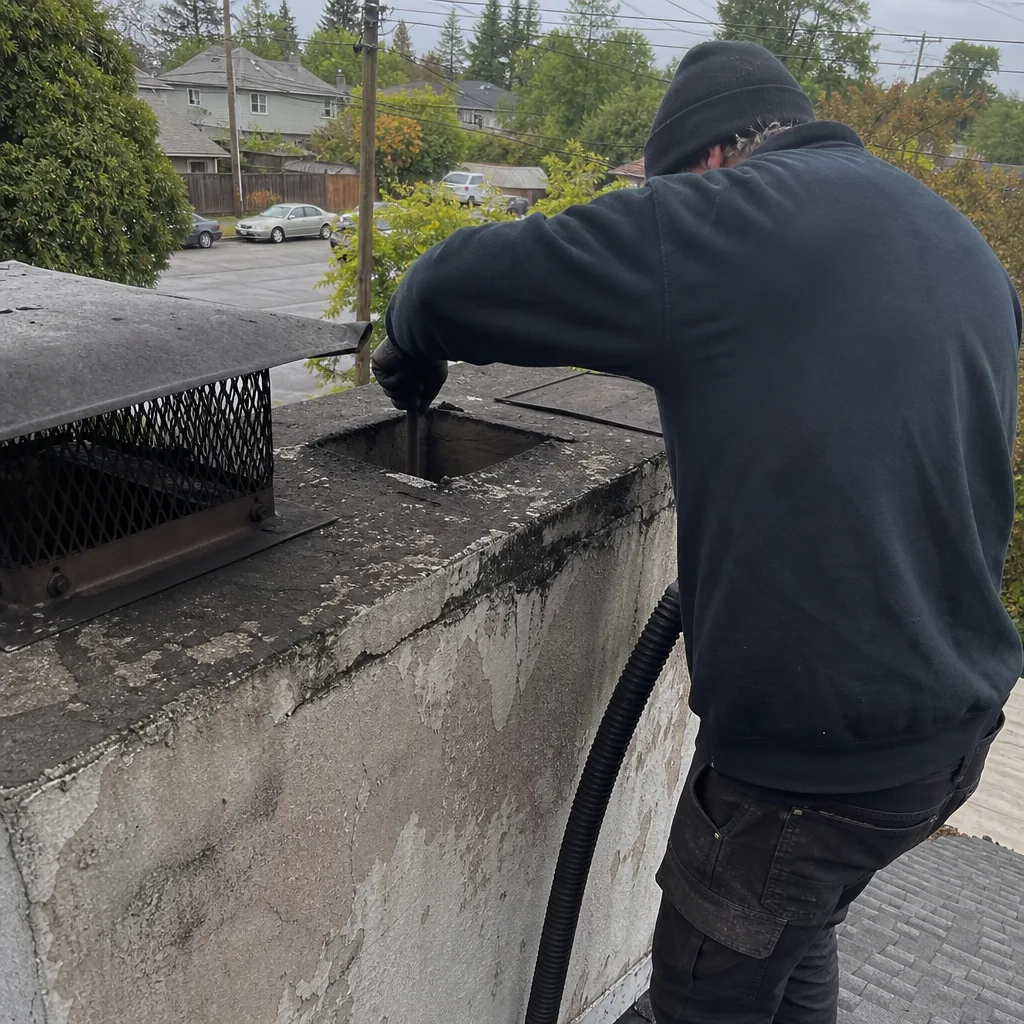 Before
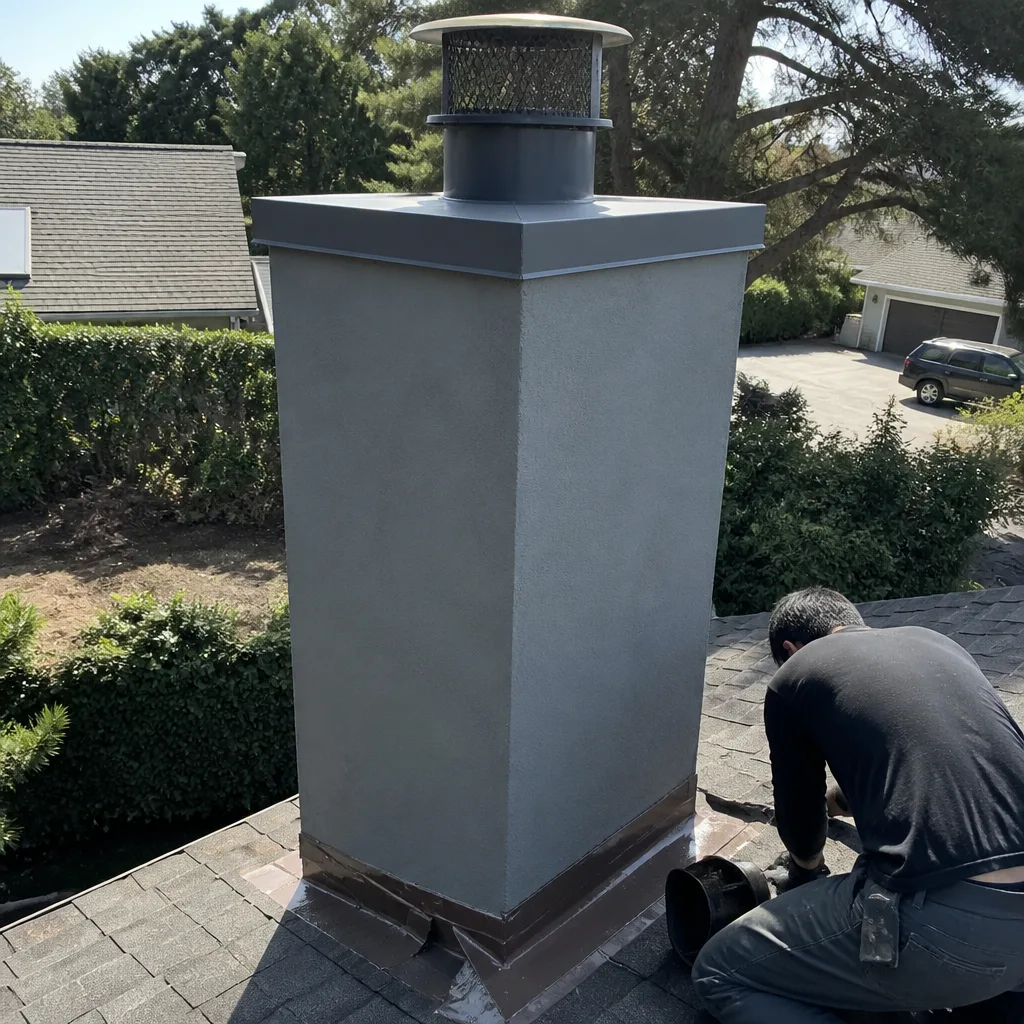 After
After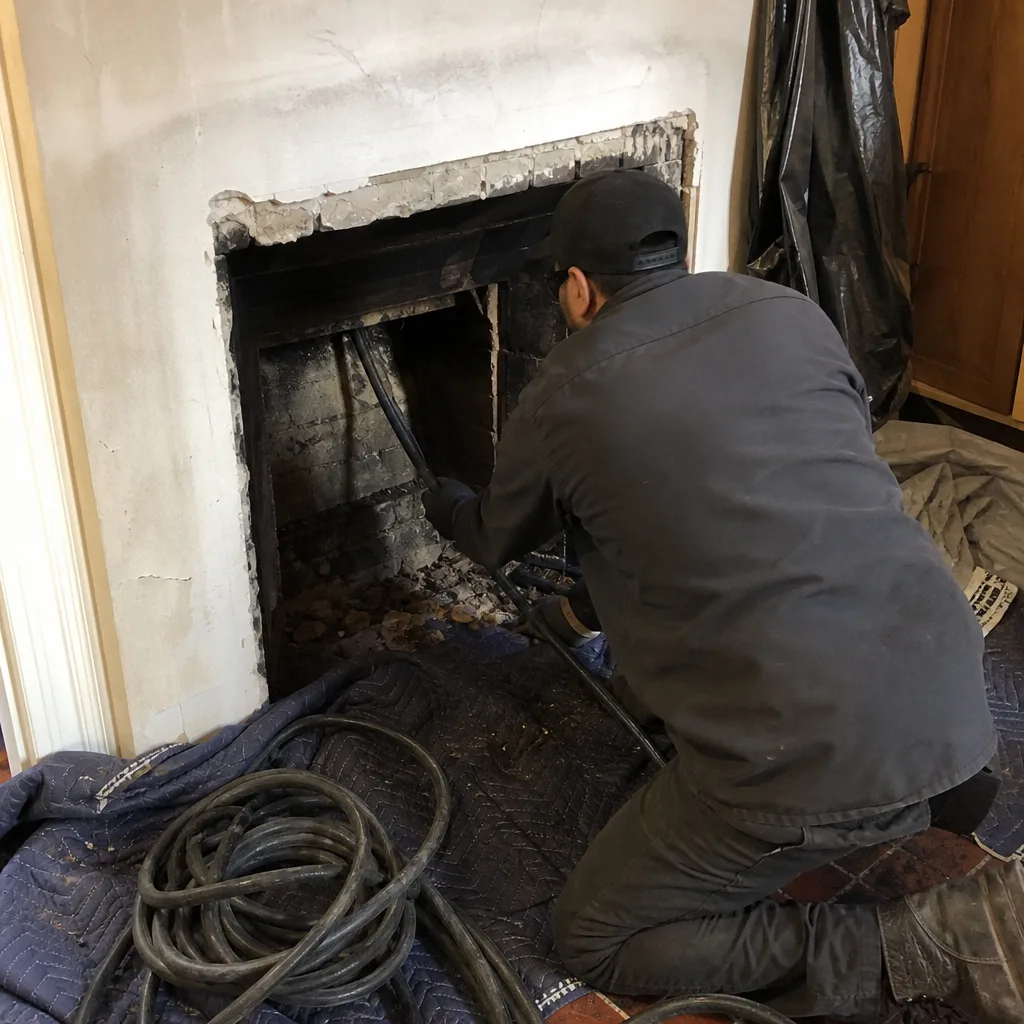 Before
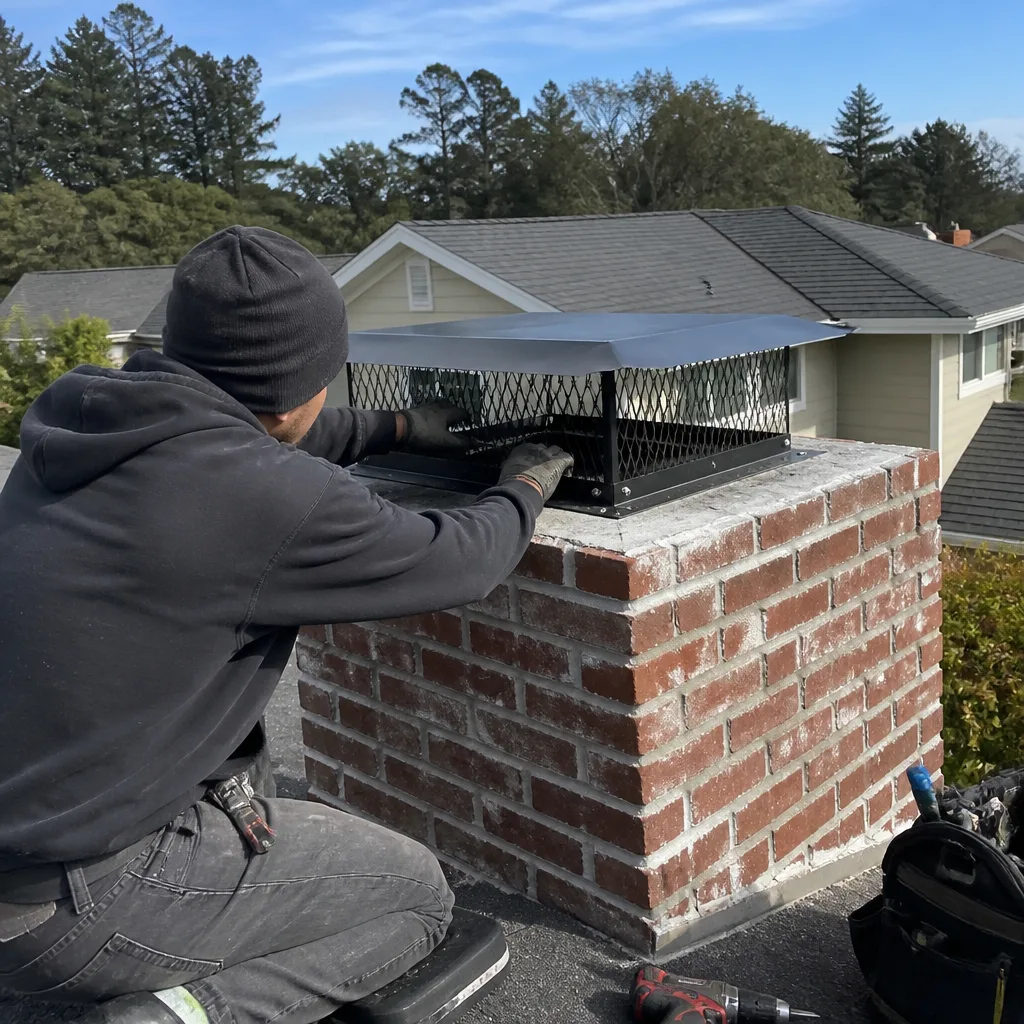 After
After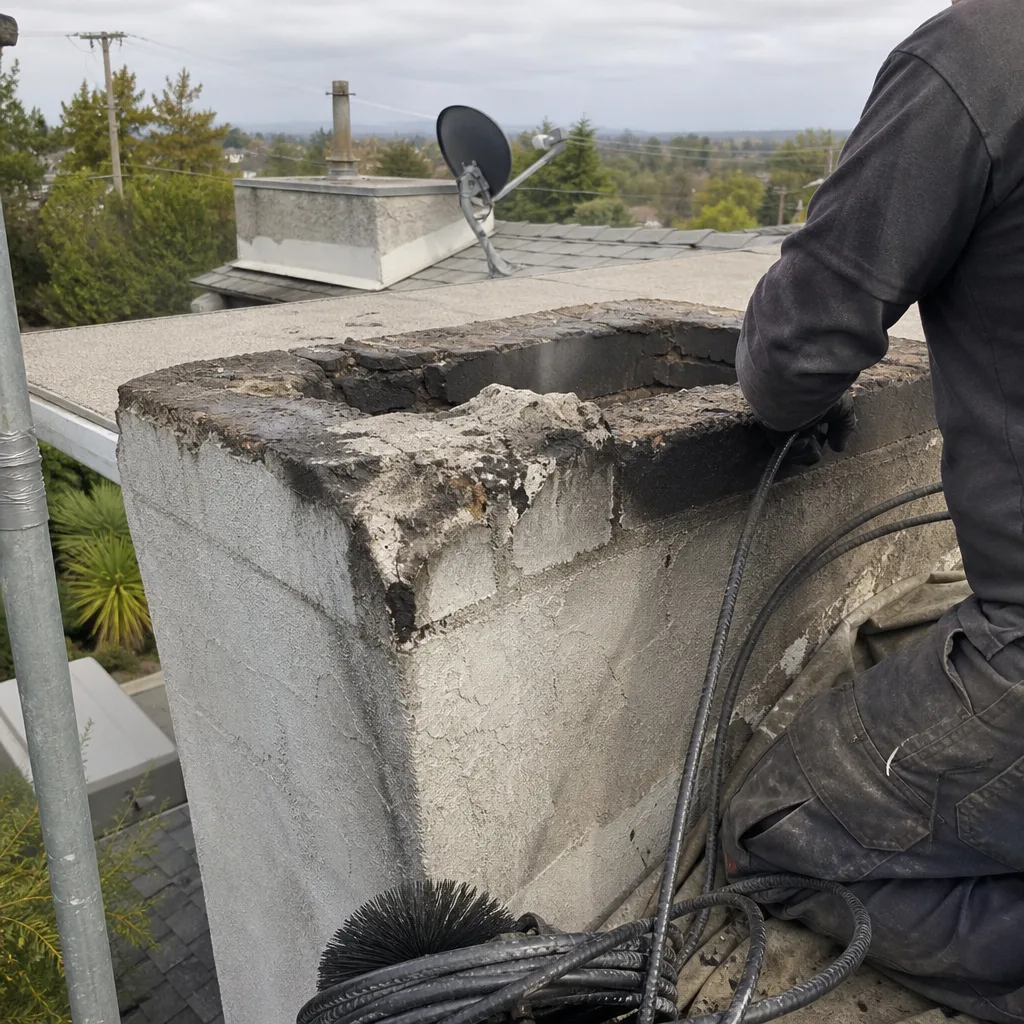 Before
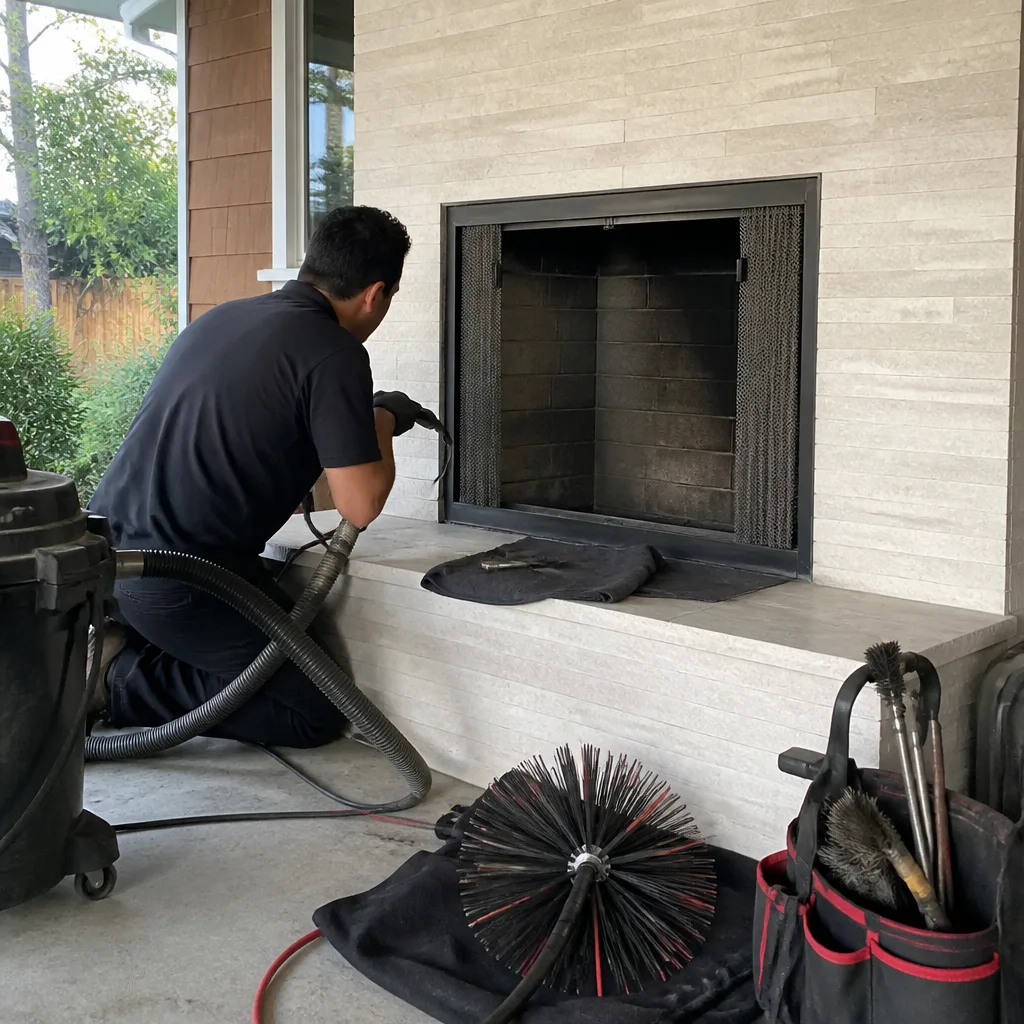 After
AfterChimney Cleaning & Sweep Maintenance Checklist for San Mateo Homeowners
A chimney sweep who finishes in under 45 minutes and hands you nothing in writing didn’t maintain your chimney - he performed a ritual that looks like maintenance without producing any of its outputs. In 16 years of Chimney Cleaning & Sweep in San Mateo, we’ve documented this pattern across thousands of Peninsula homes: the homeowner feels responsible, the sweep looks busy, and the chimney enters another season with Class III creosote hiding behind a freshly blackened flue. This guide gives San Mateo homeowners a checklist that produces evidence - photos, readings, written dates - that your insurer and the next owner of your home can actually use.
Quick Answer
Proper chimney maintenance in San Mateo requires our Chimney Cleaning & Sweep services for an annual NFPA 211 Level 2 inspection with camera documentation, pre-season checks for marine-layer moisture damage, and a written record of five specific deliverables from every cleaning appointment. Homes burning more than two cords of hardwood per year or operating gas inserts with failed dampers need bi-annual service. Skip the written documentation, and you’ve skipped the maintenance.
Table of Contents
- Pre-Season Checklist: What to Inspect Before First Fire
- What “Done” Actually Looks Like: The Five Written Deliverables
- Mid-Season Checks for Spare-the-Air Restrictions
- Annual vs. Bi-Annual: The Real Math on Sweep Frequency
- Post-Storm Checklist After Atmospheric River Events
- What You Can Check vs. What Requires a Professional
- Building Your Home’s Chimney Record: Year-over-Year Tracking
- Common Mistakes to Avoid
- When to Call a Professional
- Frequently Asked Questions
BeforeAfterPre-Season Checklist: What to Inspect Before First Fire
San Mateo’s marine layer doesn’t just dampen morning commutes on Highway 92. It creates a specific moisture profile that degrades chimney systems differently than inland climates. We’ve found lime efflorescence on crown surfaces in Hillsdale and Hayward Park homes that looked pristine from the street - white, powdery deposits that signal water is migrating through the crown masonry and will freeze-thaw its way to structural cracks by February.
Here’s the pre-season sequence we recommend every San Mateo homeowner complete before lighting the first fire, ideally in September before the October burn-season rush - or see The Complete Guide to Chimney Cleaning in San Mateo for the full protocol:
- Exterior crown inspection from ground level. Look for white efflorescence, hairline cracks wider than 1/16 inch, or pooling patterns that suggest the crown slope has settled. In Shoreview and Baywood-Aragon, we regularly see crowns that were poured without proper overhang - water runs straight down the brick face instead of shedding clear.
- Cap and screen check with binoculars. The salt air from San Francisco Bay accelerates corrosion on galvanized cap screens. We replaced 340 cap assemblies in San Mateo last season where rust had perforated the mesh, creating entry points for nesting birds and squirrels. Stainless steel caps from Copperfield or Gelco hold up longer, but even they need inspection.
- Flashing and cricket examination. The cricket - the peaked diversion structure behind chimneys on sloped roofs - is a common leak point in San Mateo’s wind-driven rain events. Look for lifted shingles, separated sealant, or daylight visible at the chimney-roof intersection.
- Damper operation test. Open fully, close fully, listen for grinding. A damper that sticks halfway open is a heat-loss liability and a backdraft risk.
- Firebox visual scan. Check for spalling brick faces, deteriorated mortar joints, or rust staining that indicates a liner breach above.
If any of these five items shows anomaly, the next step is a camera inspection before first fire - not after you’ve burned a week and potentially worsened a hidden condition.
Moisture readings at the smoke shelf deserve specific attention in San Mateo. The smoke shelf is the flat area behind the damper where downdrafts deposit debris and where condensation collects. We’ve pulled moisture readings above 25% in smoke shelves where the homeowner reported “just a little draftiness.” Above 20% sustained moisture, you’re looking at accelerated liner corrosion and potential mold amplification in the smoke chamber above. A moisture meter costs $40 at any hardware store; the reading takes 30 seconds.
What “Done” Actually Looks Like: The Five Written Deliverables
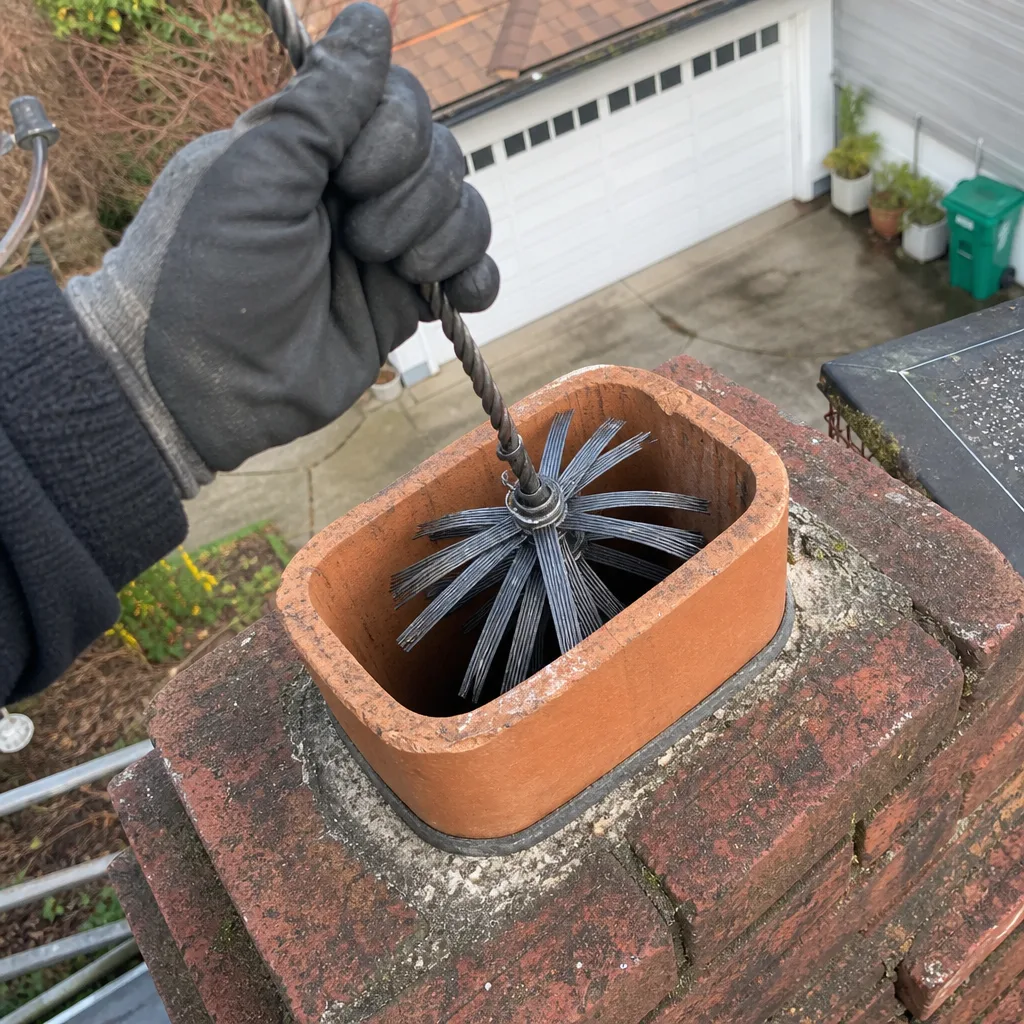
Every Chimney Cleaning & Sweep in San Mateo appointment should produce five specific documents. If your sweep can’t produce them, you haven’t received a complete service - you’ve received a performance. Here’s what walks out with the customer on every job we complete under the Haven Standard:
| Deliverable | What It Contains | Why It Matters |
|---|---|---|
| Before photo | Camera image of flue interior at multiple elevations, dated | Proves pre-existing condition; protects both parties; establishes baseline for year-over-year comparison |
| After photo | Post-sweep camera image at identical elevations, dated | Verifies creosote removal completeness; shows liner condition unobscured by deposits |
| Creosote classification | Class I (soot), II (crusty), or III (glazed/tar), with location notes | Determines next sweep timing; Class III requires chemical treatment or mechanical removal beyond standard brushing |
| Liner condition note | Observed state of flue liner: intact, cracked, spalled, displaced, or missing; with measurements where relevant | Identifies whether liner replacement is indicated; required by most home insurers for wood-burning systems |
| Signed price receipt | Written scope, written price, written warranty terms, technician signature | Haven Standard Clause 1: “Have it in writing” - price agreed before work, not after arrival |
Clause 4 of the Haven Standard requires a photo record on every job. We implemented this in 2009, before NFPA 211 explicitly recommended camera documentation and before San Mateo insurers began requesting sweep records for wood-burning endorsements. That archive - 38,000+ chimney records - now serves homeowners who need to prove maintenance history for sale disclosures or claim disputes.
The creosote classification specifically matters for San Mateo homes because our burn season is compressed. With Spare-the-Air alerts limiting burn days from November through February, many homeowners try to “catch up” on cold nights with hotter, faster fires. This produces more incomplete combustion and more Class II-III creosote than steady, moderate burning. A sweep who doesn’t classify what he removed can’t tell you whether your burning habits are accelerating buildup.
Mid-Season Checks for Spare-the-Air Restrictions
Bay Area Air Quality Management District Spare-the-Air alerts create a unique maintenance profile for San Mateo fireplaces. When you’re burning less frequently than the system was designed for, several failure modes accelerate:
- Cold flue syndrome. Infrequent fires don’t warm the masonry mass sufficiently. The first fire of a cold spell produces heavy condensation on flue walls, which binds soot into harder-to-remove deposits. We see this in Beresford Park homes where owners burn only on “special occasion” weekends.
- Moisture stratification. Without regular heat cycling, moisture from San Mateo’s marine layer settles at different elevations in the flue rather than drying uniformly. This creates localized corrosion on metal liners and freeze-thaw spalling on terra cotta.
- Animal re-entry. A quiet chimney is an attractive chimney. Squirrels and raccoons don’t check burn schedules before nesting. A mid-season cap inspection - even without a full sweep - prevents the blocked-flue scenario that sends carbon monoxide back into living spaces.
Our recommended mid-season protocol for restricted-burn homes: a visual cap and damper check in January, even if the full sweep isn’t due until fall. This takes 10 minutes, costs nothing if you’re already a Emberly customer, and catches the three problems above before they become February emergencies.
For gas insert owners under Spare-the-Air restrictions, the mid-season issue is different: failed dampers left open for “decorative” gas flames create continuous heat loss and can introduce outside air pollutants during high-particulate days. The damper position should be verified functional and closed when the insert is off.
Annual vs. Bi-Annual: The Real Math on Sweep Frequency
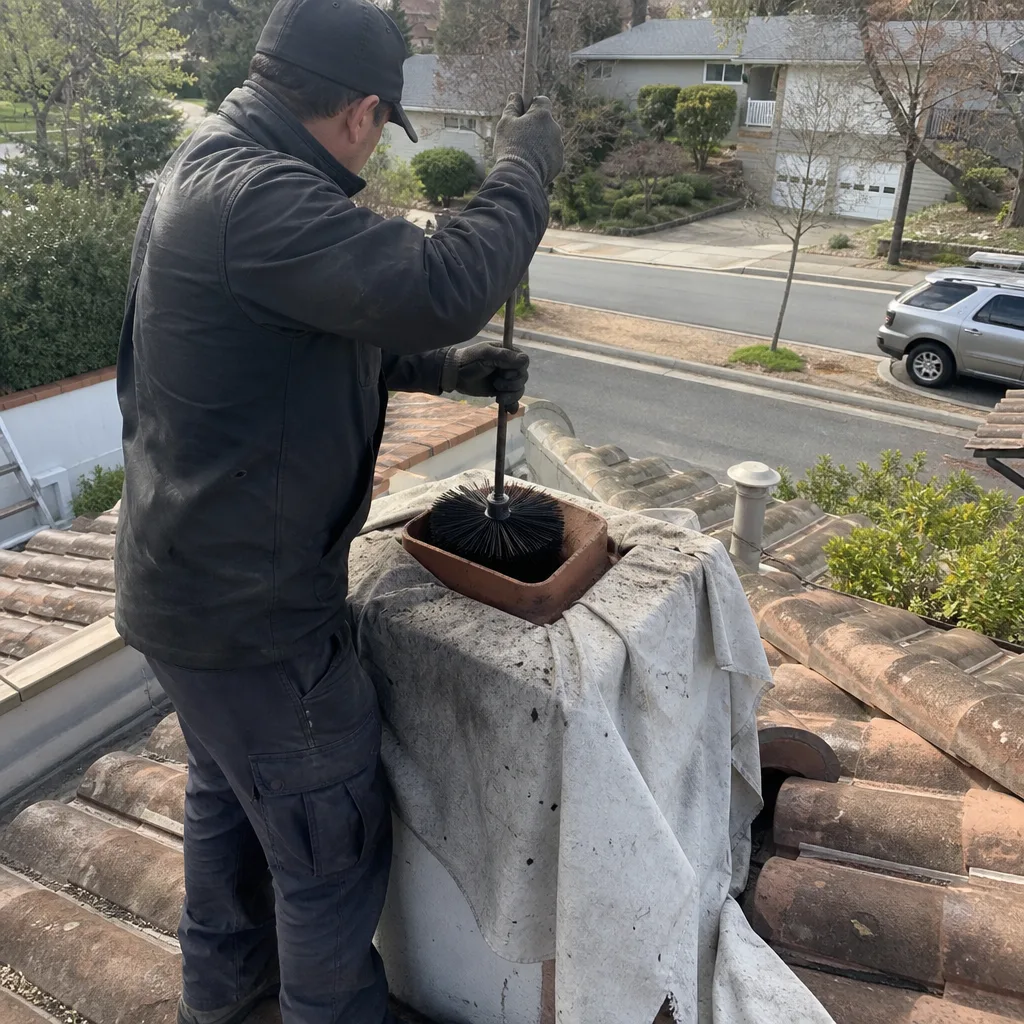
The “sweep every year” rule is a convenient fiction. The actual frequency depends on what you burn, how much, and how completely. Here’s the calculation we use with San Mateo homeowners:
Cord-based threshold: One cord of seasoned hardwood produces approximately enough creosote to warrant inspection. If you’re burning more than two cords per San Mateo burn season, you need bi-annual service - once pre-season, once mid-season. We’ve cleaned chimneys in San Mateo Hills homes where three cords went through a single winter and the flue was 1/4-inch glazed by March.
Hour-based alternative: For gas or pellet systems, use operating hours. A gas insert running 4 hours nightly, 90 nights per season, accumulates 360 hours. At 500 hours, inspection is indicated regardless of calendar date.
Fuel quality adjustment: Unseasoned wood - moisture content above 20% - doubles creosote production. San Mateo’s mild winters tempt homeowners to burn whatever’s available; we’ve found oak and eucalyptus sold as “seasoned” in Peninsula markets testing at 30-35% moisture. Buy a moisture meter. Split a piece, test the fresh face. Above 25%, stack it for another year.
Appliance-type modifiers:
- Open masonry fireplace: annual minimum, regardless of use - animal intrusion and moisture damage proceed independent of burn frequency
- Factory-built metal chimney (common in San Mateo 1970s-1990s construction): annual, with particular attention to joint corrosion from salt air
- Pellet stove: every 2 tons of pellets burned, or annually - ash accumulation is the driver, not creosote
- Gas insert with functional damper: bi-annual inspection, annual sweep if vented through existing flue
The calendar-year sweep is a fallback for homeowners who don’t track cords or hours. It’s not optimal; it’s minimum viable maintenance.
Post-Storm Checklist After Atmospheric River Events
San Mateo’s position on the Peninsula exposes chimney systems to specific storm damage patterns. The January 2023 atmospheric river sequence produced more emergency calls than any two-month period in our San Mateo records. Here’s what to inspect after significant rain and wind events:
- Crown integrity verification. Atmospheric rivers deliver water volume that overwhelms marginal crown designs. Look for new cracks, displaced chunks, or washed-out mortar at the crown-flue tile joint. In Sugarloaf and Laurelwood, we saw crowns that had been “repaired” with caulk wash out entirely, exposing the flue to direct rainfall.
- Cap displacement or damage. Wind gusts exceeding 40 mph - common during Peninsula storm sequences - can rotate or dislodge poorly secured caps. A cap sitting askew is a cap that’s not screening animals or shedding water.
- Animal intrusion signs. Storm-damaged caps, displaced flashing, or softened mortar create entry points. Listen for scratching, check for debris dropping into the firebox, or shine a flashlight up the flue for nesting material.
- Draft reversal indicators. Saturated exterior masonry changes the pressure differential that drives chimney draft. If your fireplace smokes back into the room on the first post-storm fire, the flue may be water-logged or partially blocked. Don’t force it - this is a professional evaluation, not a DIY fix.
- Exterior masonry staining. New water streaks on the chimney face indicate flashing failure or crown overflow. Track these with dated photos; they worsen predictably if unaddressed.
Post-storm evaluation is where the documented photo record from previous service proves its value. Comparing this year’s crown photo to last year’s shows crack propagation rates and helps distinguish new damage from pre-existing conditions for insurance purposes. Clause 4 of the Haven Standard exists precisely for this moment.
What You Can Check vs. What Requires a Professional
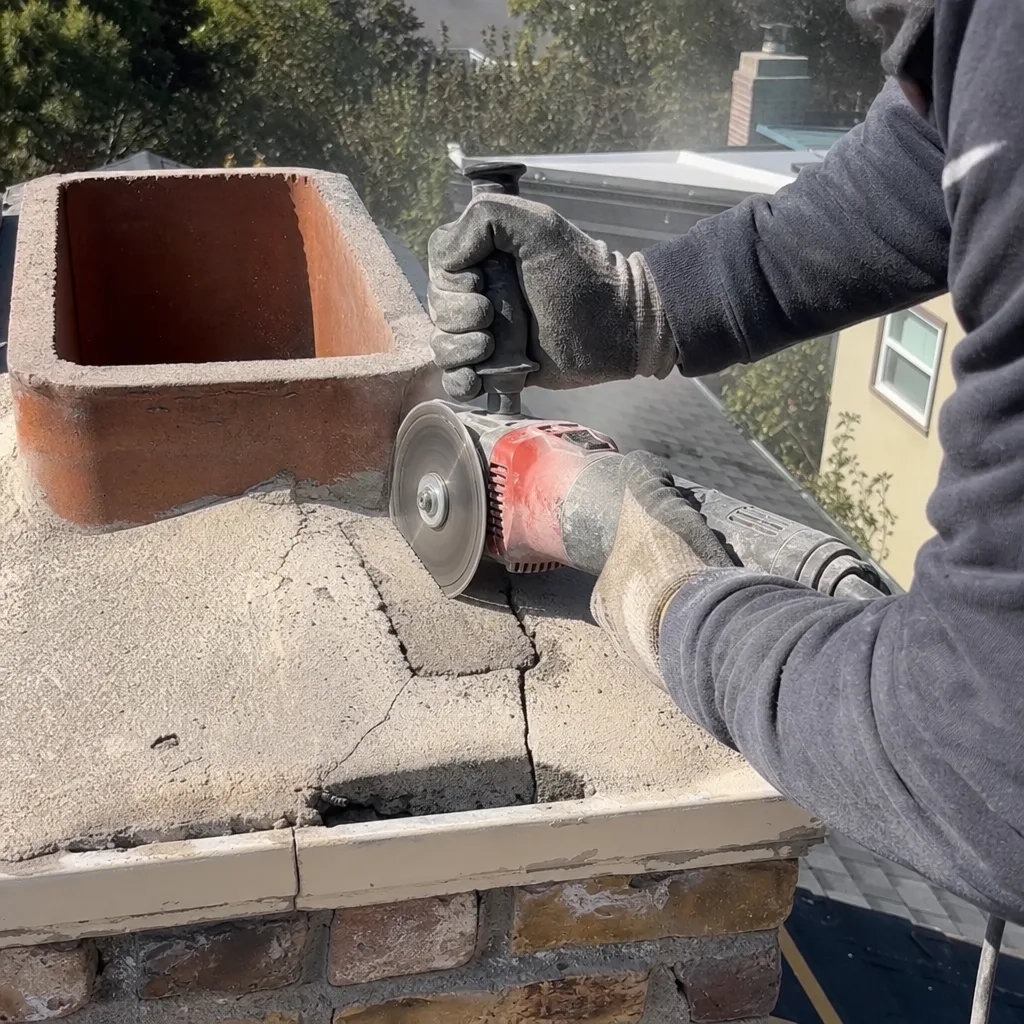
We’re direct about this because we’ve seen the consequences of confusion. The items below are safe for a homeowner with a flashlight, binoculars, and a moisture meter. Everything else involves components that can cause serious injury or death if mishandled.
Homeowner-appropriate checks:
- Visual crown, cap, and flashing inspection from ground level or secured ladder
- Damper operation (open/close cycle)
- Firebox condition scan for obvious spalling or mortar loss
- Smoke shelf moisture reading
- Carbon monoxide detector function test
Professional-only work:
- Any flue interior work - high-tension spring assemblies on some damper systems, liner integrity verification, creosote removal above the smoke shelf
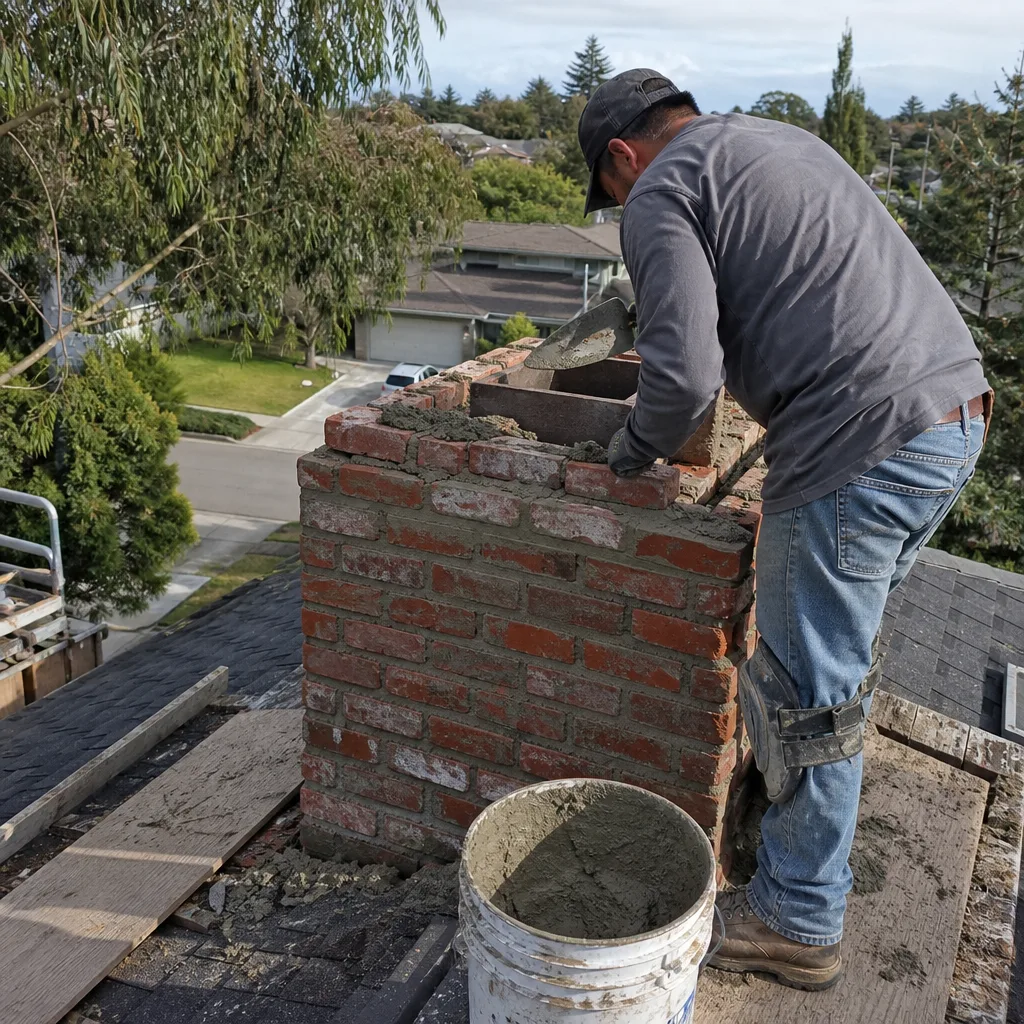
- Crown repair or rebuild - working at height with masonry materials
- Flashing or cricket repair - roof penetration work
- Gas line connection verification - leak detection requires calibrated equipment
Carbon monoxide is odorless, colorless, and produced by any incomplete combustion. A blocked flue, cracked liner, or failed damper can introduce lethal concentrations without visible smoke. We include CO detector function verification on every visit because it’s the single most important safety device for any combustion appliance.
Building Your Home’s Chimney Record: Year-over-Year Tracking
A checklist without a file is theater. Here’s how to build a chimney record that transfers to the next owner, satisfies your insurer, and protects you in a sale disclosure:
Create a physical or digital folder with dated subfolders by year. Each year’s file contains:
- The five deliverables from your sweep appointment (before/after photos, creosote classification, liner note, signed receipt)
- Your own pre-season inspection notes with dated photos
- Any post-storm documentation
- Appliance manuals and installation records
- Repair invoices with scope descriptions, not just price
When you sell, this record answers the buyer’s chimney question before they ask it. When you claim, it proves maintenance. When you dispute a contractor’s recommendation, it gives you comparison baseline.
We’ve provided chimney records from our archive to San Mateo homeowners for insurance claims, property disputes, and pre-sale inspections. The 38,000+ documented records in our system represent 16 years of evidence that maintenance happened, not just that someone showed up.
Common Mistakes to Avoid
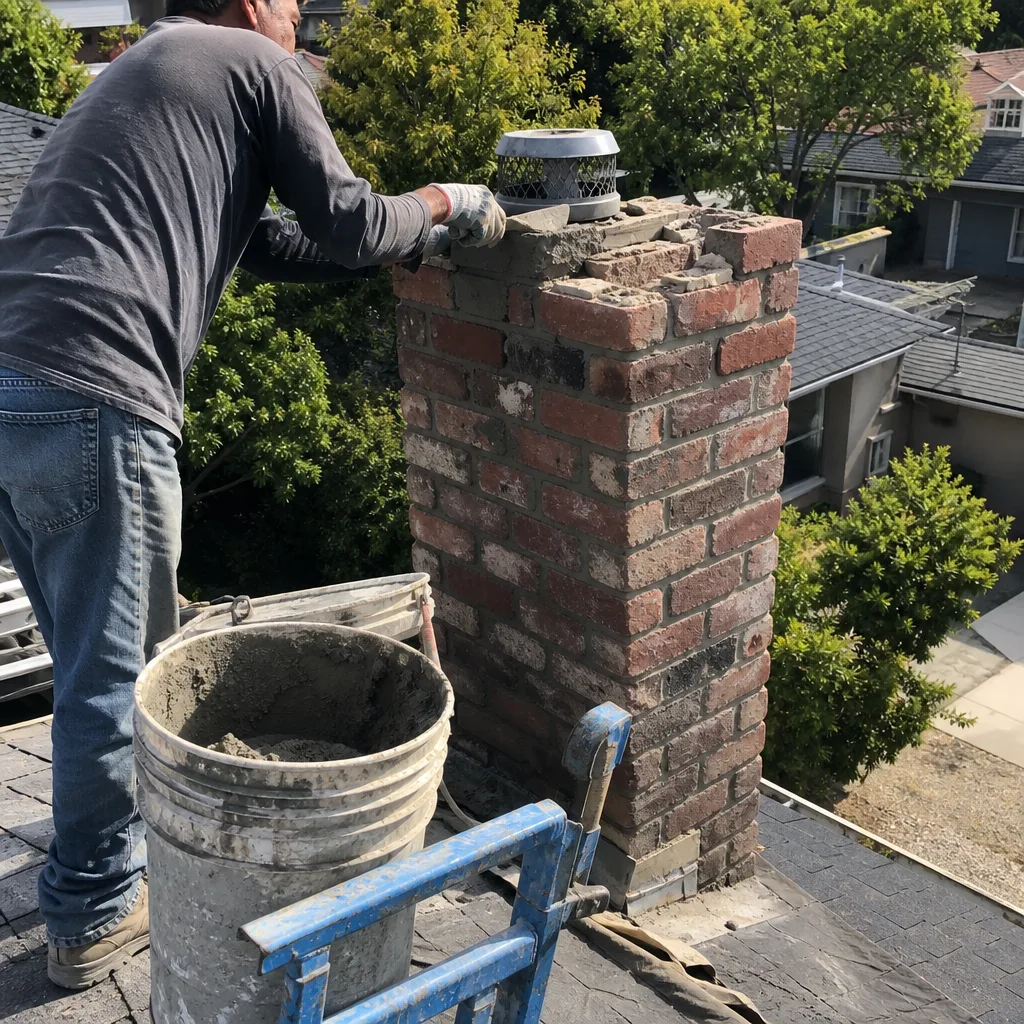
- Hiring based on lowest price without verifying deliverables. A $99 sweep that produces no photos, no classification, and no written record is more expensive than a $250 service that does, because you’ll pay twice when the hidden condition surfaces.
- Assuming gas doesn’t need inspection. Gas inserts produce corrosive condensation, degrade liners, and can fail in ways that introduce CO. Annual inspection is non-negotiable.
- Burning unseasoned wood because “it’s just for ambiance.” Incomplete combustion from wet wood produces more creosote per hour than complete combustion from dry wood. Ambiance doesn’t exempt you from buildup.
- Ignoring the damper. A damper stuck open wastes conditioned air year-round. A damper stuck closed creates a smoke-filled room or forces combustion gases into living space. Test it monthly in season.
- Skipping post-storm inspection because “it looks fine from the street.” Crown cracks visible from ground level are already advanced. Early intervention is mortar repair; late intervention is crown rebuild or water damage remediation inside the chase.
- Accepting verbal recommendations without written scope and price. Haven Standard Clause 1 exists because we’ve seen too many San Mateo homeowners agree to “just fix it while you’re here” and receive bills 3x the estimate. Written price before work starts - always, no exceptions.
- Treating the chimney as decorative when the home was built with a functional fireplace. Even unused chimneys vent other appliances, create thermal bypasses, and present structural liabilities. Maintenance applies to the system, not just your use of it.
When to Call a Professional
Call for a camera inspection before first fire if your pre-season check shows any anomaly - efflorescence, cap damage, damper malfunction, or moisture above 20% - all covered in our Chimney Cleaning Warning Signs: A San Mateo Homeowner’s Reference Guide. Call immediately if you detect smoke backing into the room, CO detector activation, or animal sounds from the flue. Call after any atmospheric river event if you observe new exterior staining or cap displacement.
Emberly Chimney Cleaners San Mateo offers free estimates in San Mateo - call (650) 600-3117. Every estimate includes a written scope, written price, and written warranty terms before any work begins. We also provide free second opinions on any competitor’s written quote; bring us their scope and we’ll review it against what we find.
Frequently Asked Questions
A complete chimney cleaning and NFPA 211 Level 2 inspection in San Mateo typically ranges from $250 to $450, depending on flue accessibility, creosote class, and whether chemical treatment or mechanical removal is required for glazed deposits. This includes the camera-scan inspection, before-and-after photo documentation, and written report under Haven Standard Clause 4. Call (650) 600-3117 for an exact quote - estimates are free.
You should never accept a liner replacement recommendation without seeing camera documentation of the specific damage - cracks, spalling, gaps, or missing sections - with measurements. At Emberly Chimney Cleaners San Mateo, we show you the footage before quoting replacement, and we offer a free second opinion on any competitor’s written liner estimate. Terra cotta liners in pre-1980 San Mateo construction often show thermal shock cracking; stainless steel liners from DuraFlex or HeatShield cerfractory resurfacing are common solutions, but only when the camera confirms the need.
Annual minimum for all systems, bi-annual if you burn more than two cords of seasoned hardwood per season or operate more than 500 hours on gas or pellet. San Mateo’s marine layer accelerates exterior degradation, so even unused chimneys need annual exterior inspection for cap corrosion, crown moisture damage, and flashing integrity. The calendar year is your floor, not your ceiling.
Three predictable outcomes, in order of frequency: first, creosote accumulation progresses from Class I (removable by brushing) to Class III (glazed, requires chemical or mechanical removal), increasing cleaning cost 2-3x. Second, moisture intrusion degrades the crown, flashing, and liner in sequence, producing repair bills that dwarf maintenance costs. Third, and least frequent but most severe, blocked or damaged flues cause chimney fires or carbon monoxide intrusion. We’ve documented all three in San Mateo homes where maintenance lapsed 3+ years. Call (650) 600-3117 to break the cycle - estimates are free.
Homeowners can safely inspect accessible exterior components and operate the damper. Flue interior cleaning requires proper PPE, mechanical equipment, and knowledge of creosote classification to determine whether standard brushing is sufficient or chemical treatment is indicated. More critically, without camera documentation, you cannot verify liner condition or cleaning completeness. The risk of incomplete removal - believing you’re done when Class III remains - outweighs the cost savings for most homeowners. For gas systems, DIY work on connections or vents creates liability and safety hazards we don’t recommend.
San Mateo’s specific factors: salt-air corrosion on metal components (caps, flashing, factory-built chimney joints); marine layer moisture that keeps masonry in semi-saturated states; Spare-the-Air restrictions that compress burn season and alter creosote patterns; and atmospheric river events that test crown and flashing designs more severely than steady rain. A sweep who treats San Mateo chimneys like Sacramento or Fresno chimneys misses these failure modes.
The Bottom Line
Chimney maintenance that produces no documentation is maintenance you cannot prove, verify, or enforce. This checklist gives San Mateo homeowners a framework built on evidence: dated photos, moisture readings, creosote classifications, and written prices agreed before work starts. For more guides & resources, visit our blog. The five deliverables from every sweep appointment, the cord-and-hour math on frequency, and the post-storm inspection sequence are specific to Peninsula conditions we’ve documented since 2009. Maintain the record, and you maintain the chimney. Maintain only the ritual, and you’re burning on hope.
Call (650) 600-3117 for a free estimate. Written price before work starts. Camera documentation included. Every job backed by our 365-Day Done Right Promise.
Written by Corrine Halstead, Owner at Emberly Chimney Cleaners San Mateo, serving San Mateo since 2009.