
Last updated September 22, 2026
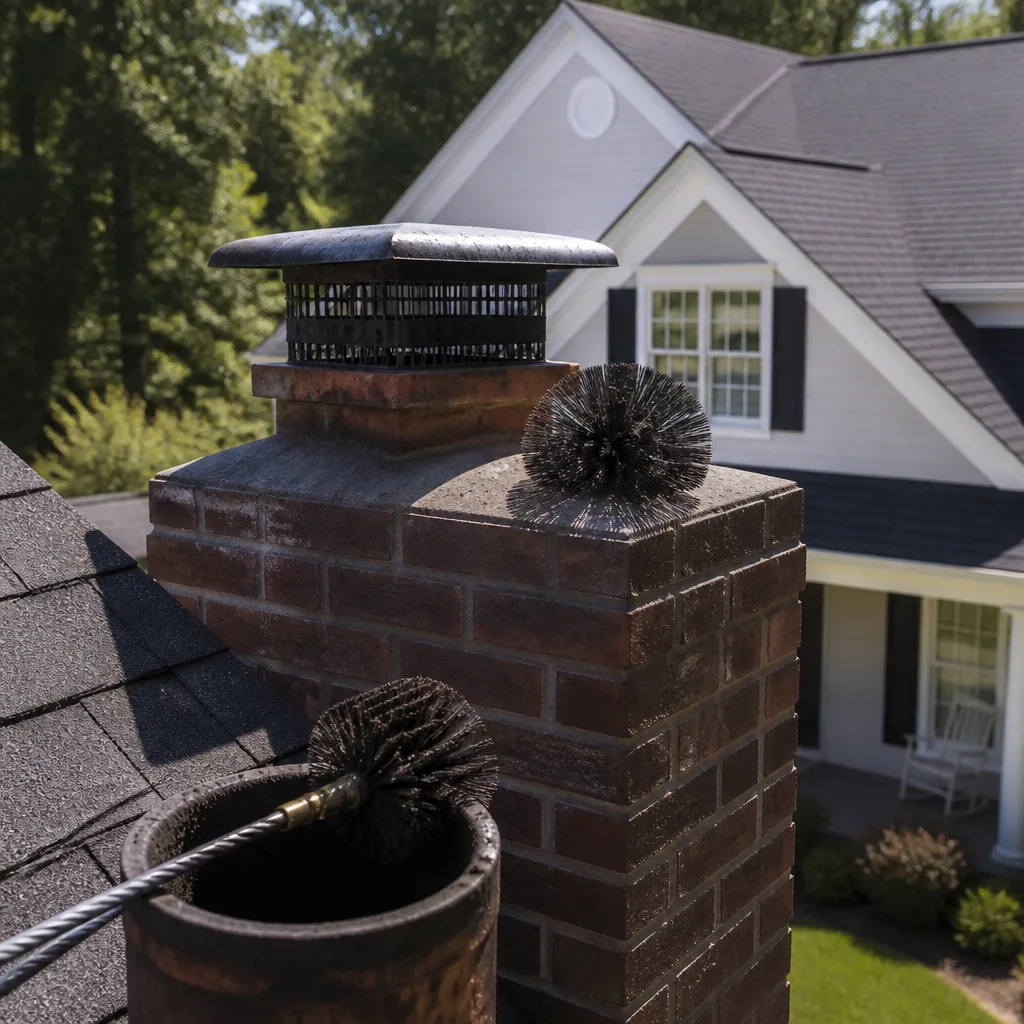
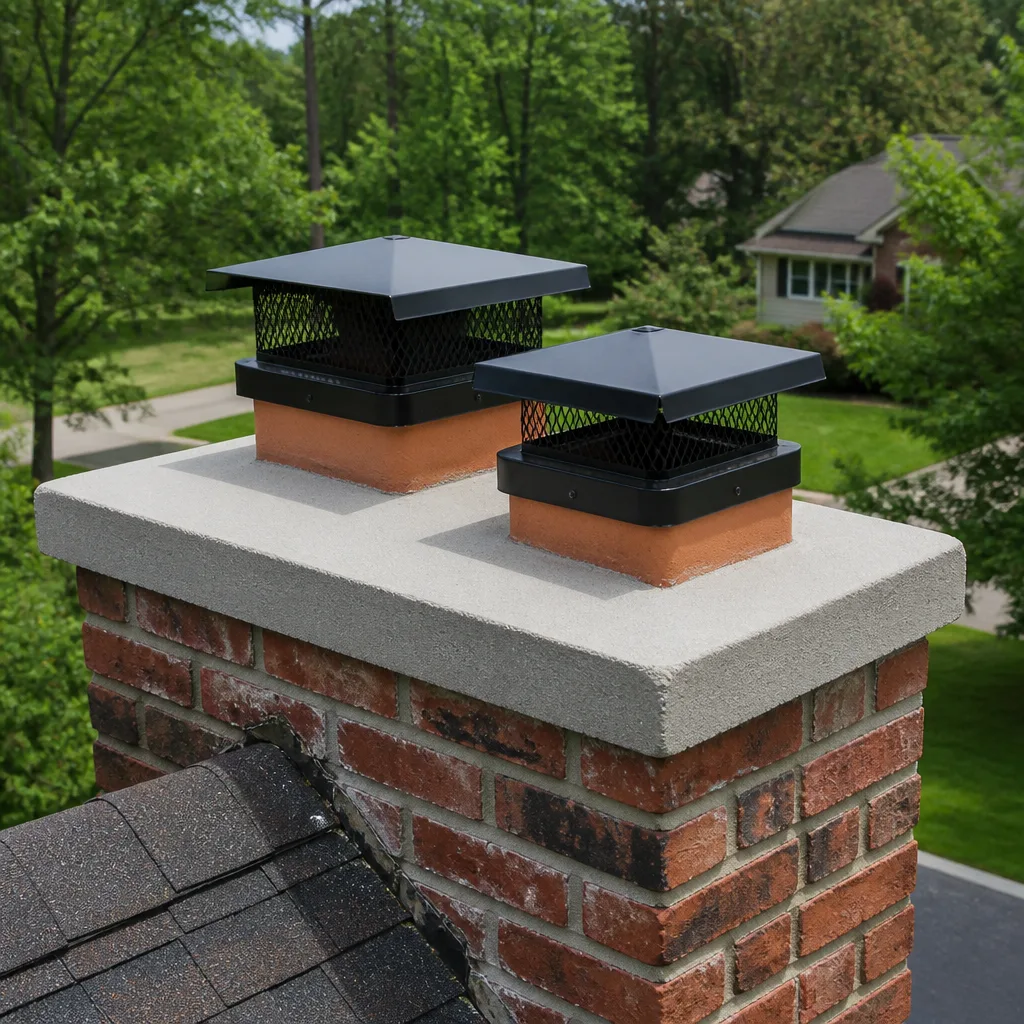
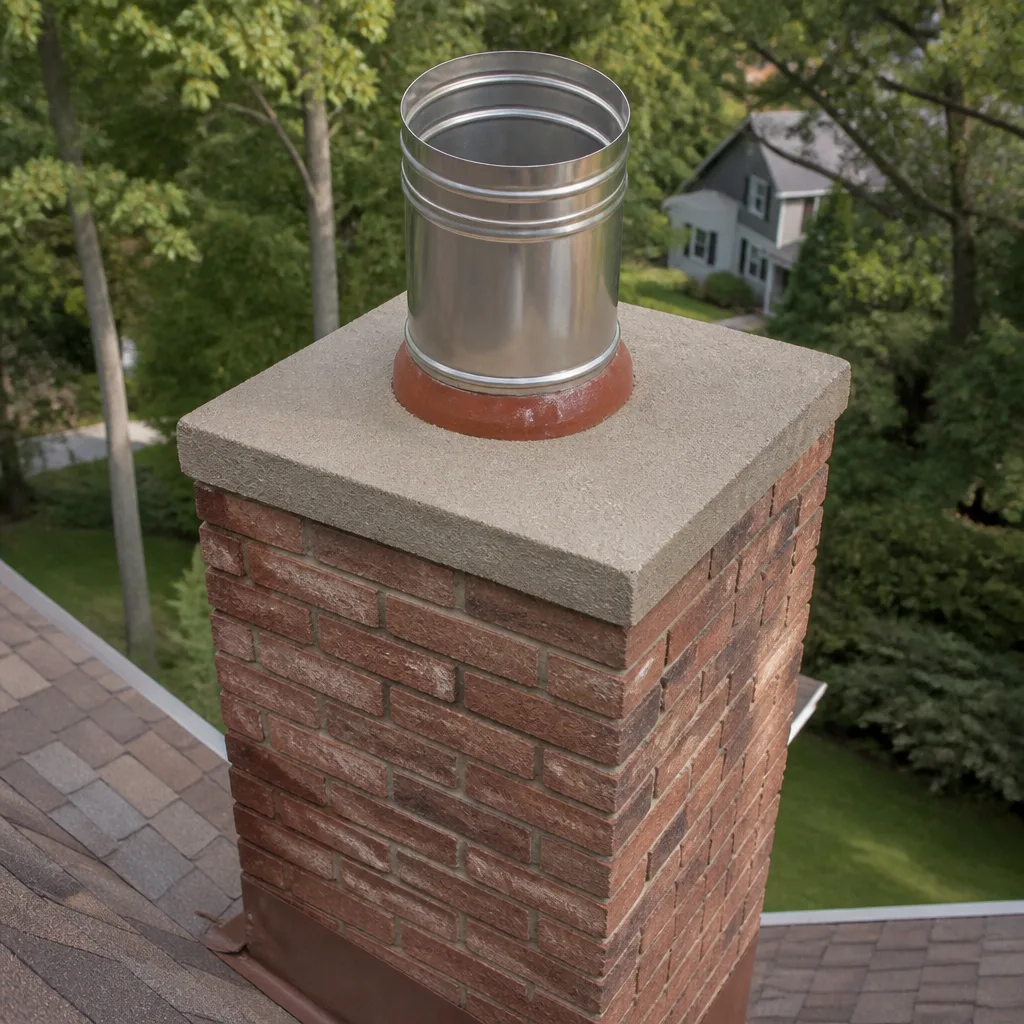
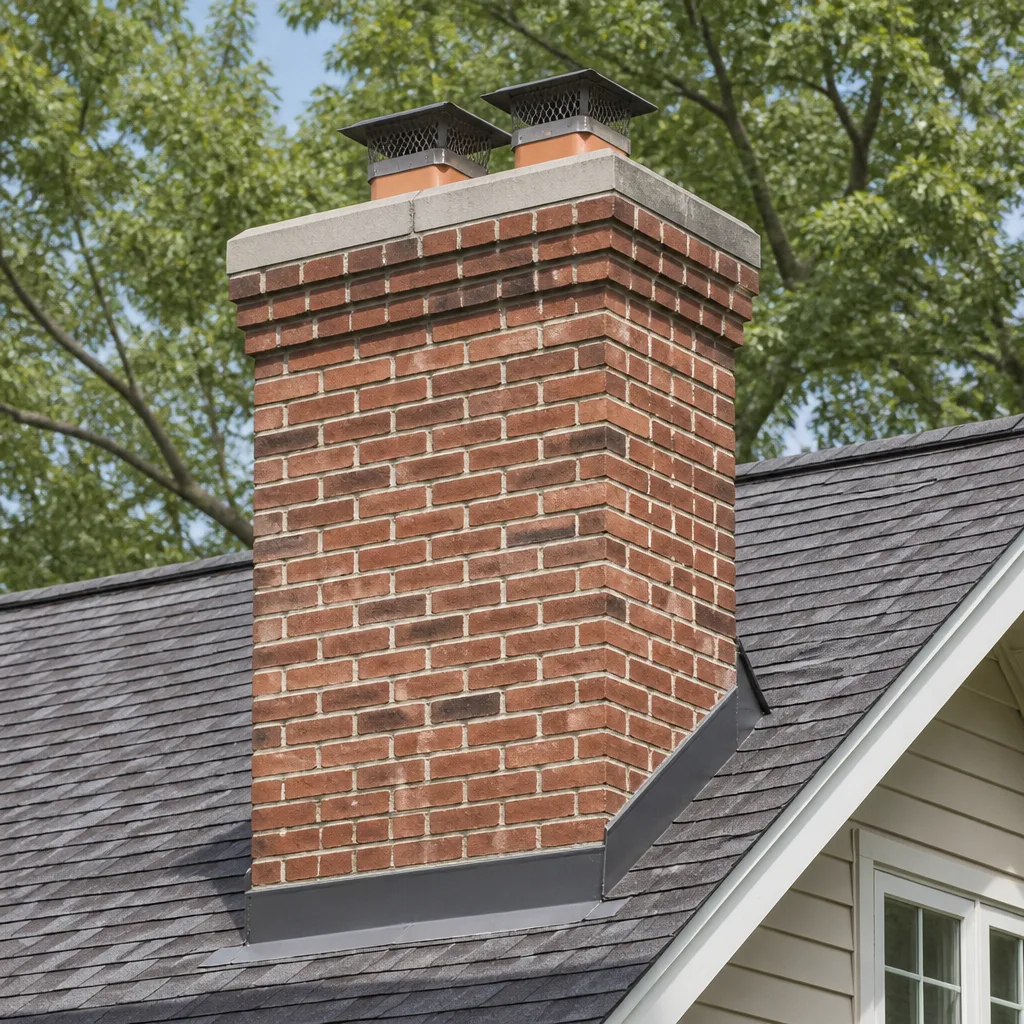
Level 1 sweep and inspection to the NFPA 211 annual standard - flue, crown, cap, and flashing checked and photographed
Chimney sweep logs do not sweep chimneys. They loosen some creosote - which then falls where a brush and vacuum still have to collect it.
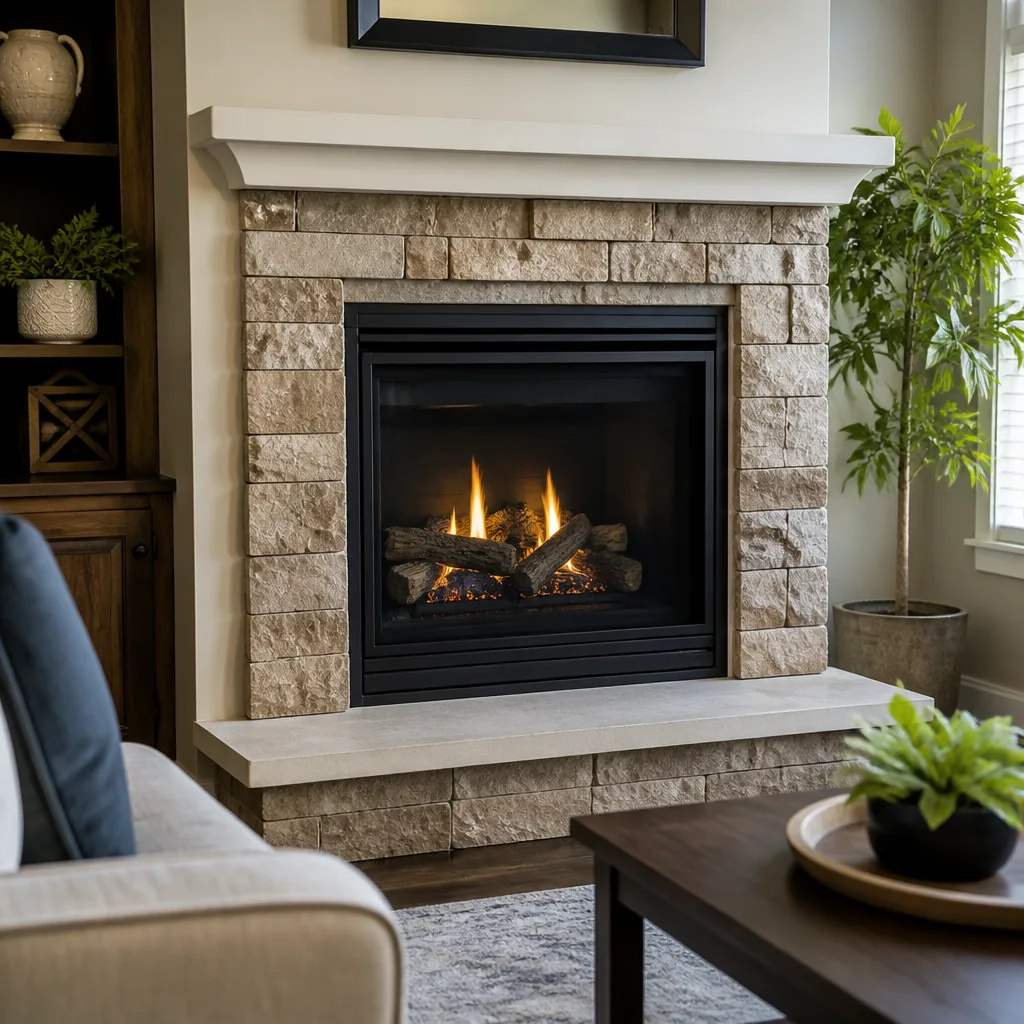
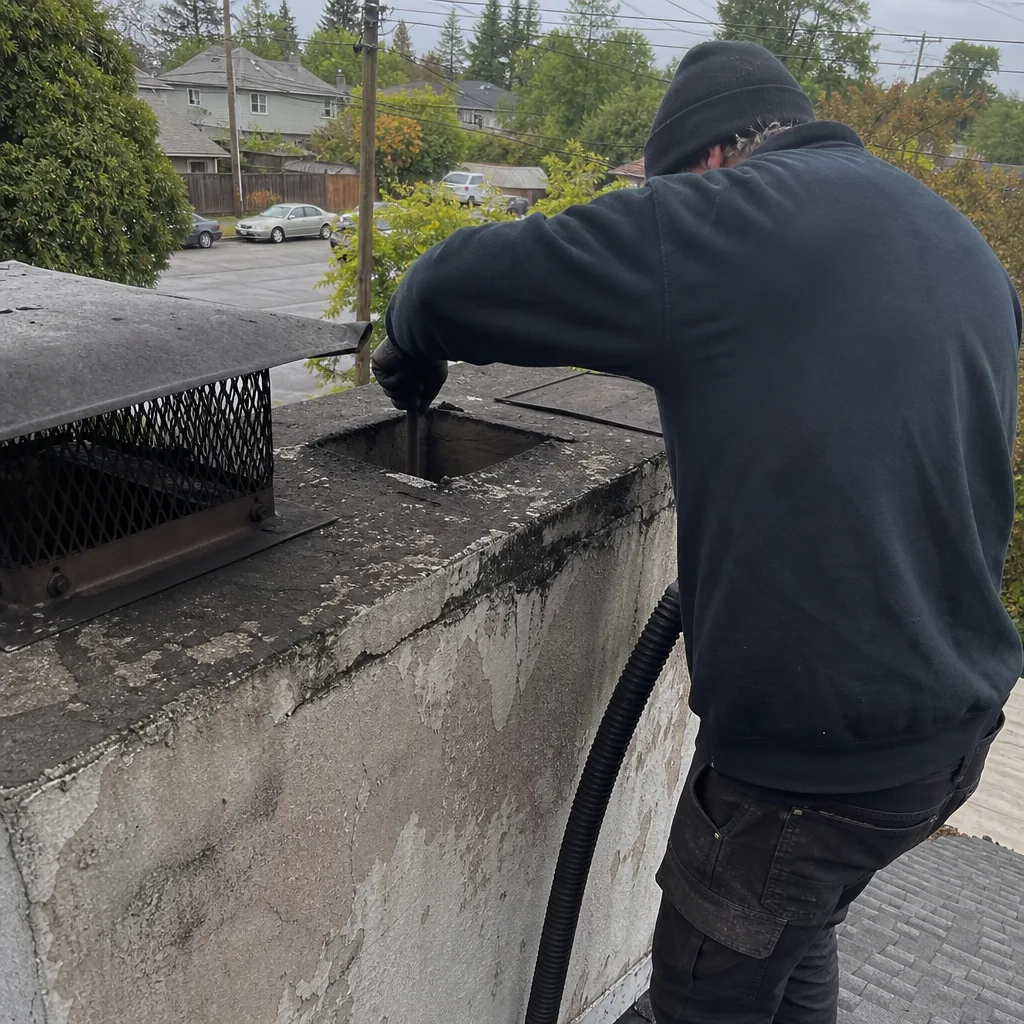 Before
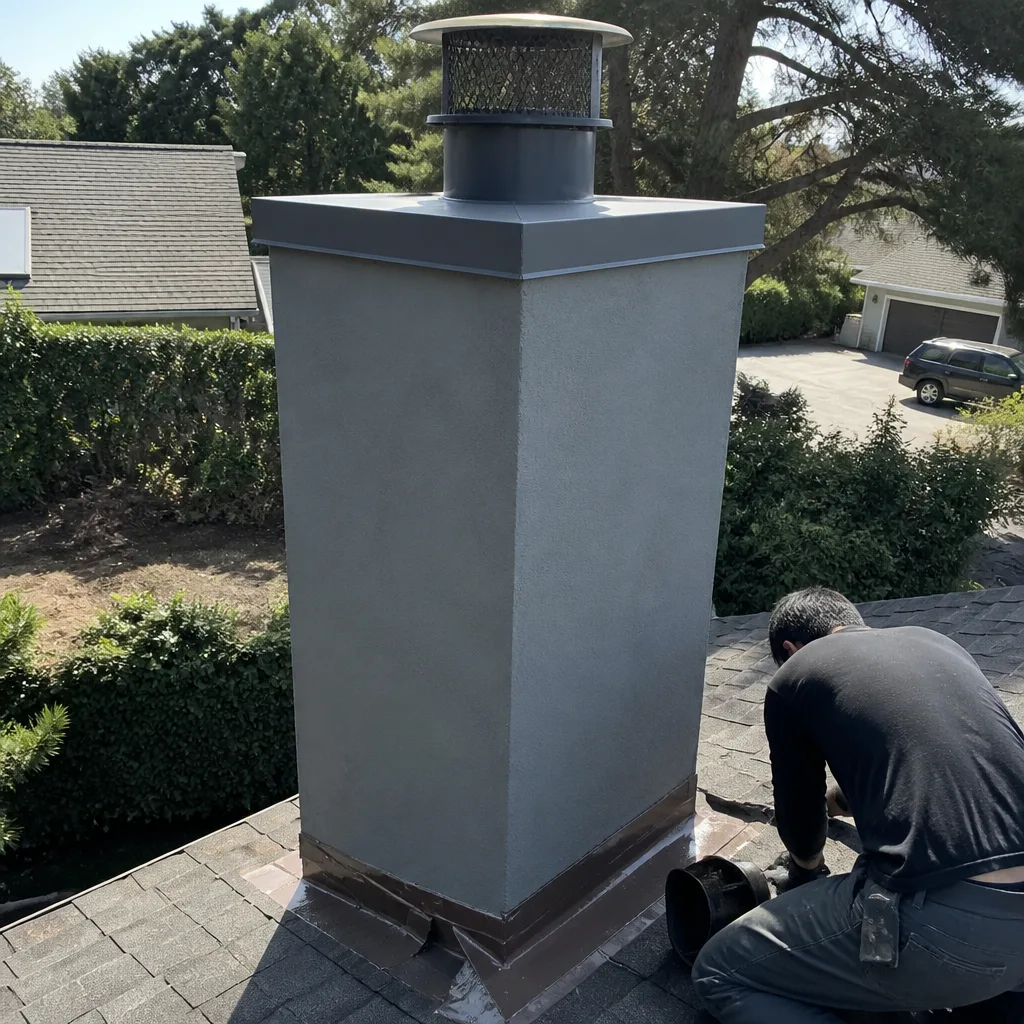 After
After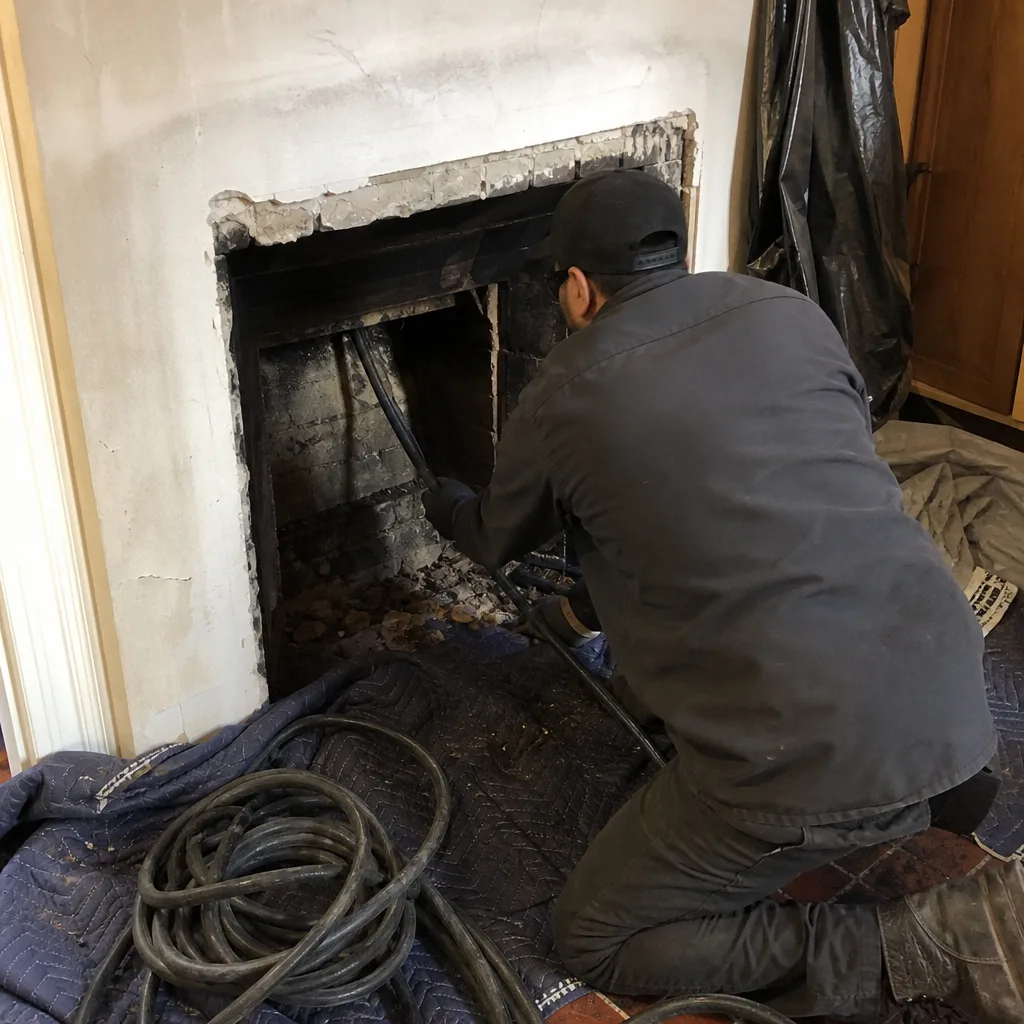 Before
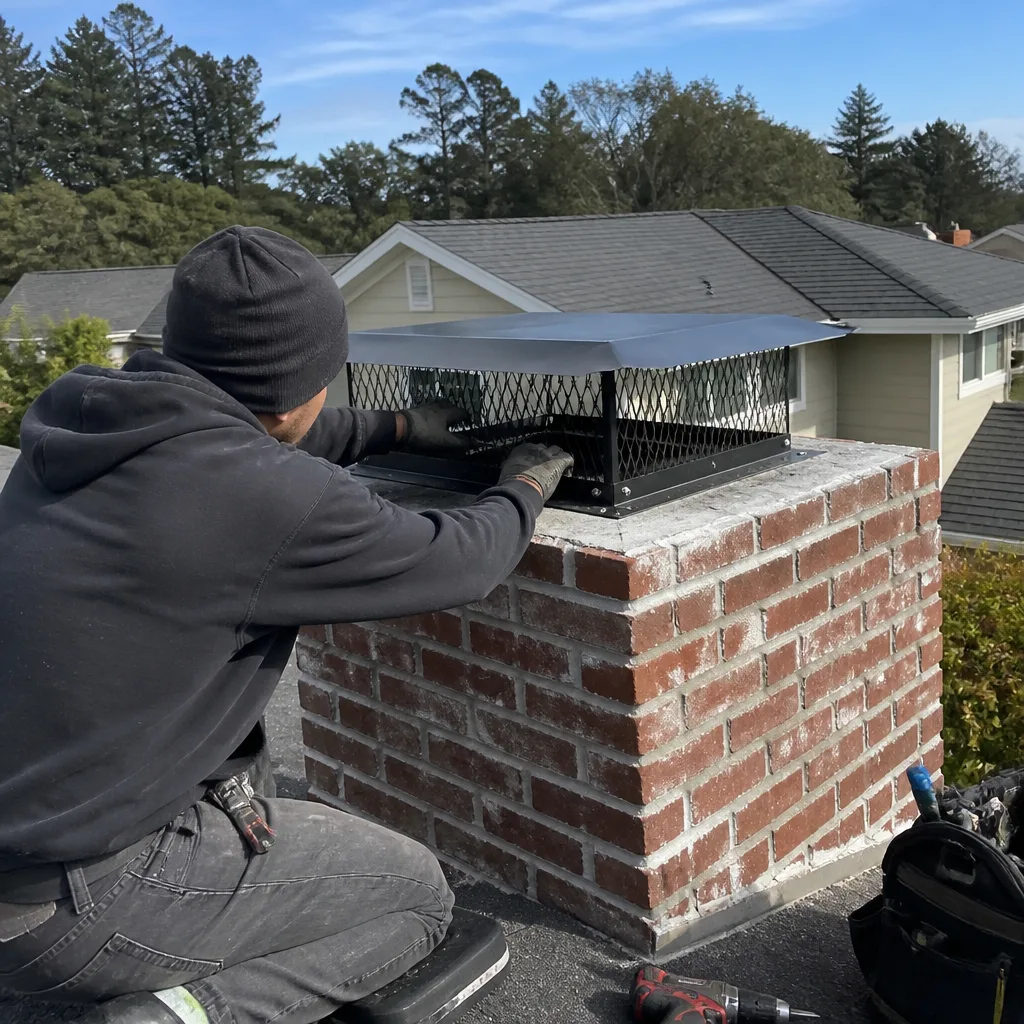 After
After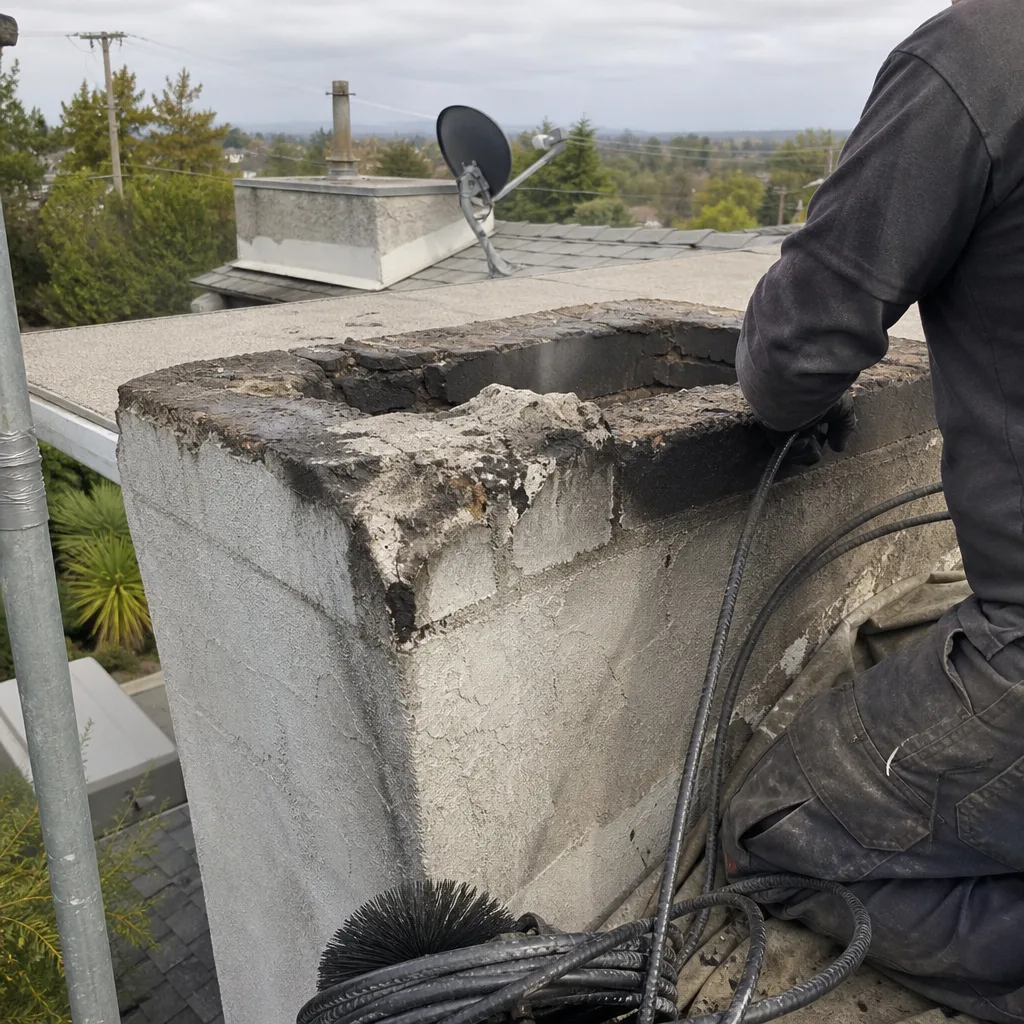 Before
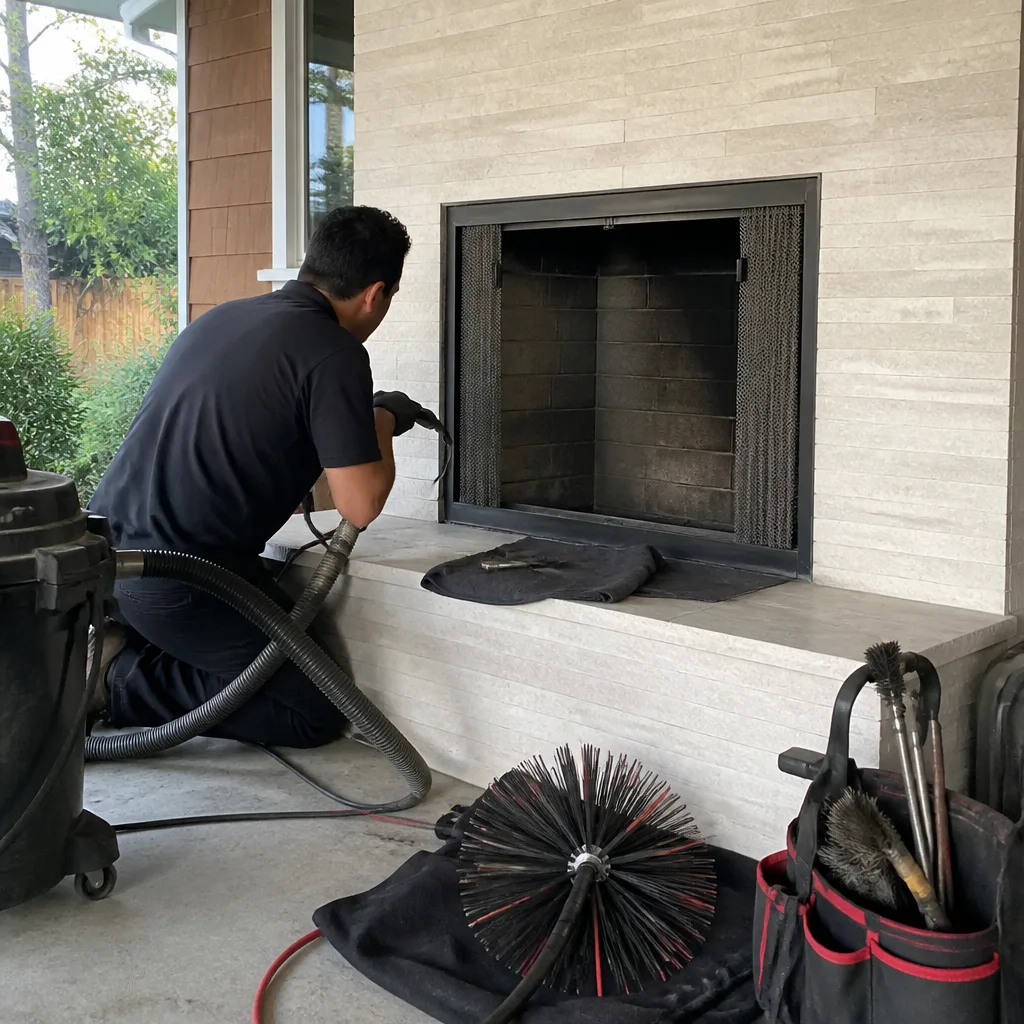 After
AfterThe Complete Guide to Chimney Cleaning in San Mateo
Most San Mateo homeowners who had a chimney “cleaned” last year have no written record of what was removed, what was found, or who signed off - meaning their homeowner’s insurance has no evidence either. In a county where coastal fog cycles and mild winters mean fireplaces often sit unused for eight months, the real risk isn’t thick creosote buildup. It’s acidic condensate eating flue liners while no one is looking, and flashlight inspections that never catch it. This guide explains what chimney cleaning actually means in San Mateo’s climate, why documentation matters more than the brushwork, and how to read an invoice that protects your home value. For more guides & resources on protecting your home, see our blog.
Quick Answer
Chimney cleaning in San Mateo typically costs $199-$349 for a standard sweep with NFPA 211 Level 2 camera inspection included. The service removes soot, creosote, and acidic condensate deposits from the flue liner and smoke chamber, and delivers a written photo record for insurance and HOA compliance. Because San Mateo’s coastal humidity produces corrosive moisture accumulation in seldom-used systems, cleaning without camera documentation often misses the damage that matters most. See our Seasonal Chimney Cleaning Care for San Mateo: Year-Round Homeowner’s Guide for maintenance timing.
Table of Contents
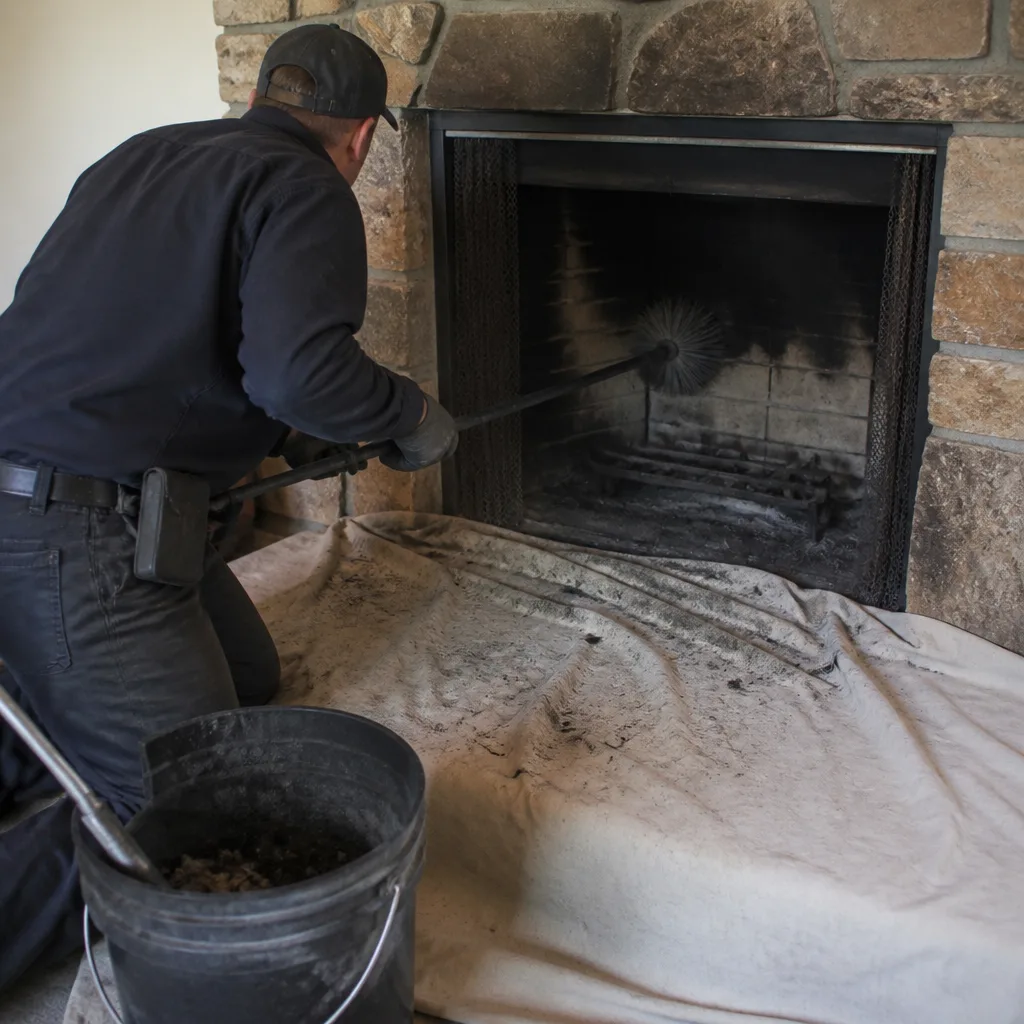
- How San Mateo’s Coastal Climate Changes What “Clean” Means
- NFPA 211 Inspection Levels: What San Mateo Homes Actually Need
- What Camera Scan Documentation Should Show - And Why It Matters
- The Complete Chimney Cleaning Process: Step by Step
- Chimney Sweep Pricing in San Mateo: What’s on the Invoice
- San Mateo County-Specific Factors: Burn Days, Moisture, and Codes
- Common Mistakes to Avoid
- When to Call a Professional
- Frequently Asked Questions
BeforeAfterHow San Mateo’s Coastal Climate Changes What “Clean” Means
San Mateo sits in a microclimate zone where summer fog rolls through the gap near SFO and winter rains linger longer than they do inland. For chimneys, this means something counterintuitive: the fireplaces that get used least often are often the most damaged.
In cold-climate regions, regular burning keeps flues warm and dry. Creosote builds up in thick, visible layers that any sweep can spot. San Mateo homeowners in neighborhoods like Baywood-Aragon or San Mateo Park might light fires twelve times a year, not a hundred. Between uses, moist marine air enters the flue, condenses on the liner surface, and combines with residual combustion acids. The result is a thin, corrosive film - Class II or III glazed creosote in some cases, but more often acidic sulfate deposits that don’t look dramatic but eat away at clay tile liners and stainless steel alike.
We’ve pulled camera footage from homes near Laurelwood Park where the flue looked “clean” to a flashlight sweep. The liner tiles showed hairline fractures from thermal shock caused by moisture expansion. No thick creosote. No obvious blockage. But the NFPA 211 Level 2 camera scan revealed spalling - surface flaking - that would have progressed to liner failure within two more seasons.
This is why “clean” in San Mateo means something different than it does in Tahoe or Truckee. The brush removes what it can reach. The camera documents what the brush can’t fix. And the written record tells you whether cleaning was preventive maintenance or cosmetic cover-up.
Key deposit types we find in San Mateo County:
- Acidic condensate film: Thin, water-soluble layer from moisture + combustion byproducts; corrodes metal liners and degrades mortar joints in clay tile systems
- Class I soot: Dry, powdery, easily brushed - common after proper wood-burning with seasoned hardwood
- Class II glazed creosote: Hardened, tar-like deposits from slow, smoldering fires or unseasoned wood; requires rotary chain removal
- Class III glazed creosote: Dense, hardened glaze, often glossy; restricted airflow, significant fire hazard; requires specialized chemical treatment before mechanical removal
- Debris and nesting material: Bay Area raccoons, swifts, and squirrels frequently enter uncapped flues in the Hillsdale and Shoreview areas
NFPA 211 Inspection Levels: What San Mateo Homes Actually Need
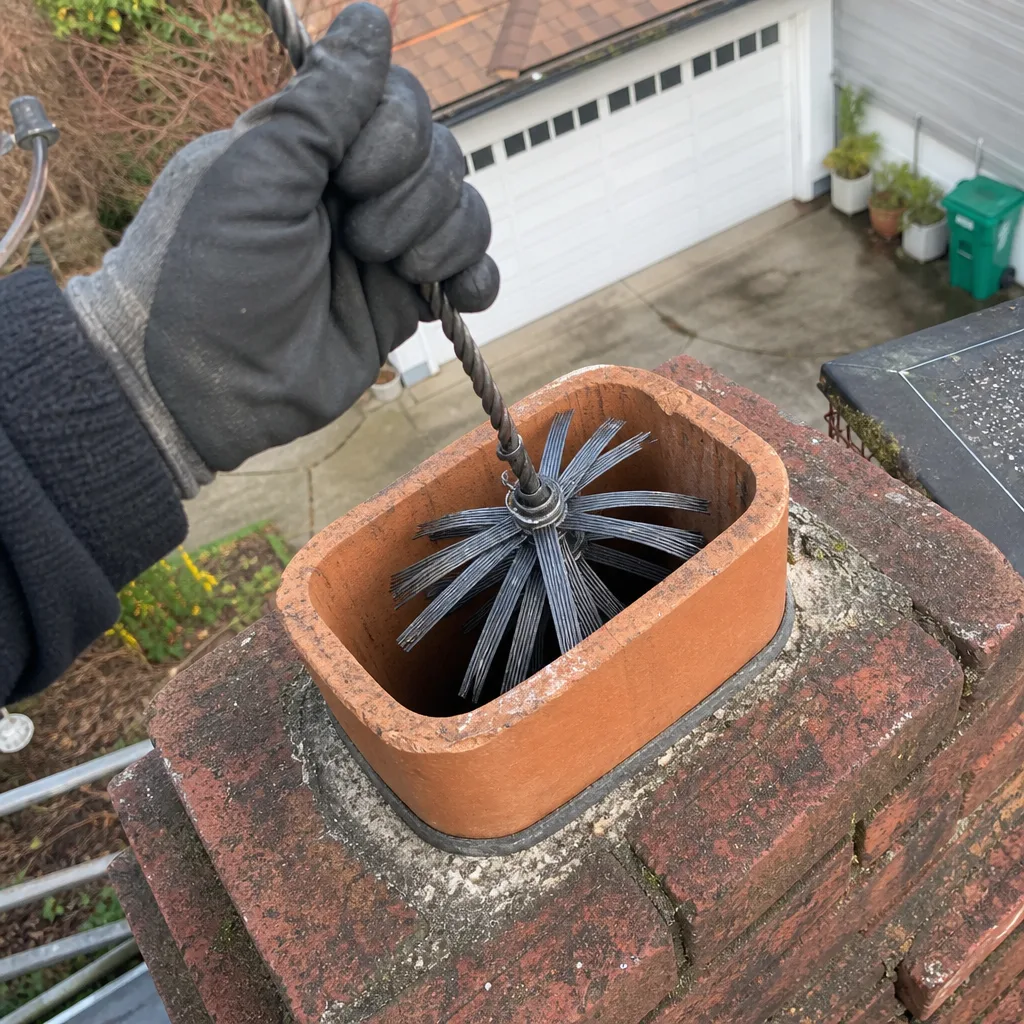
The National Fire Protection Association defines three inspection levels in NFPA 211. Most homeowners don’t know which one they’ve paid for, and many sweeps don’t specify. In San Mateo’s real estate market, this distinction can cost you a sale or void an insurance claim.
Level 1 Inspection is a visual examination of readily accessible portions of the chimney exterior, interior, and appliance connection. No tools, no climbing, no camera. A technician with a flashlight looks up from the firebox or down from the roof. This is what most “$99 sweep specials” deliver. It’s adequate only for chimneys that have been continuously maintained with no changes, no damage, and no performance problems. In our experience across San Mateo, that describes fewer than 15% of the systems we encounter.
Level 2 Inspection includes everything in Level 1, plus examination of accessible attics, crawl spaces, and basements, and - critically - a camera scan of the interior flue surfaces. This is the standard Emberly Chimney Cleaners San Mateo has held since 2009, documented in Haven Standard Clause 4. The camera reveals liner cracks, joint gaps, mortar loss, and creosote patterns that no flashlight can reach. For San Mateo home transactions, this is what inspectors, insurers, and HOAs expect to see documented.
Level 3 Inspection involves demolition of building materials to access concealed portions of the chimney. This is reserved for suspected structural damage, chimney fires, or when Level 2 findings indicate hidden hazards. We’ve initiated Level 3 inspections in older San Mateo homes near Central Avenue where concealed pyrolysis - wood decomposition from long-term heat exposure - was suspected behind the masonry.
When each level applies in San Mateo:
- Buying or selling a home: Level 2 minimum; most Peninsula real estate transactions now require camera documentation
- Annual maintenance, no changes: Level 2 for systems over 5 years old; Level 1 only for new installations with verified maintenance records
- After a chimney fire, earthquake, or major storm: Level 2 or 3 depending on visible damage; El Niño seasons in San Mateo County have increased moisture-related deterioration requiring deeper examination
- Changing appliance type or fuel: Level 2 mandatory; gas-to-wood, wood-to-pellet, or insert installations all require flue compatibility verification
- Insurance claim or HOA dispute: Level 2 with timestamped photo record; verbal reports are routinely rejected
The Haven Standard requires Level 2 as the default on every visit because “accessible” and “readily accessible” are judgment calls we don’t think homeowners should have to negotiate. Clause 4 mandates the camera scan and documented photo record on every job, not as an upsell.
What Camera Scan Documentation Should Show - And Why It Matters
A camera scan is not a video clip you watch once and forget. In San Mateo’s compliance environment - where HOAs in Bay Meadows or Marina Lagoon may require annual chimney certification, and where insurers increasingly deny claims without pre-loss documentation - the photo record is the product.
Here’s what proper documentation includes, and what we deliver under Haven Standard Clause 4:
Pre-cleaning baseline images: Timestamped, geotagged footage showing the full flue length from firebox to crown. We capture liner condition at 12-inch intervals, joint alignment, creosote class and thickness measurements, and any obstructions or damage. These images establish the “before” state that justifies any repair recommendation.
During-cleaning verification: Mid-process camera passes confirm that mechanical brushing or rotary chain removal has actually reached all surfaces. In San Mateo’s acidic condensate cases, this is where we verify whether deposits have been fully removed or have etched the liner surface.
Post-cleaning certification images: Clean flue documentation with liner condition assessment, joint integrity notation, and a written statement of serviceability. These are what your insurance adjuster or HOA manager needs to see.
Written scope and warranty: Haven Standard Clause 1 requires a written price, written scope, and written warranty before any work begins. The photo record attaches to this document, creating a single file that travels with the property.
Why this matters specifically in San Mateo:
- HOA compliance: Many Peninsula condo associations, including several in San Mateo’s transit-oriented developments, now require annual Level 2 documentation for fireplace units
- Insurance pre-loss documentation: California insurers have tightened chimney fire claim requirements; without pre-incident proof of maintenance and liner condition, claims are routinely reduced or denied
- Home sale contingencies: San Mateo buyers increasingly request chimney inspection reports; a documented history from Emberly Chimney Cleaners San Mateo transfers with the property and can accelerate closing
- Warranty transferability: Liner installations from DuraFlex and HeatShield carry manufacturer warranties that require documented professional maintenance; our photo records satisfy this requirement
We’ve had San Mateo homeowners bring us competitor “inspections” that consisted of a single blurry photo of the firebox and a handwritten note saying “looks good.” That is not documentation. It’s not evidence. And it won’t protect your home value.
The Complete Chimney Cleaning Process: Step by Step
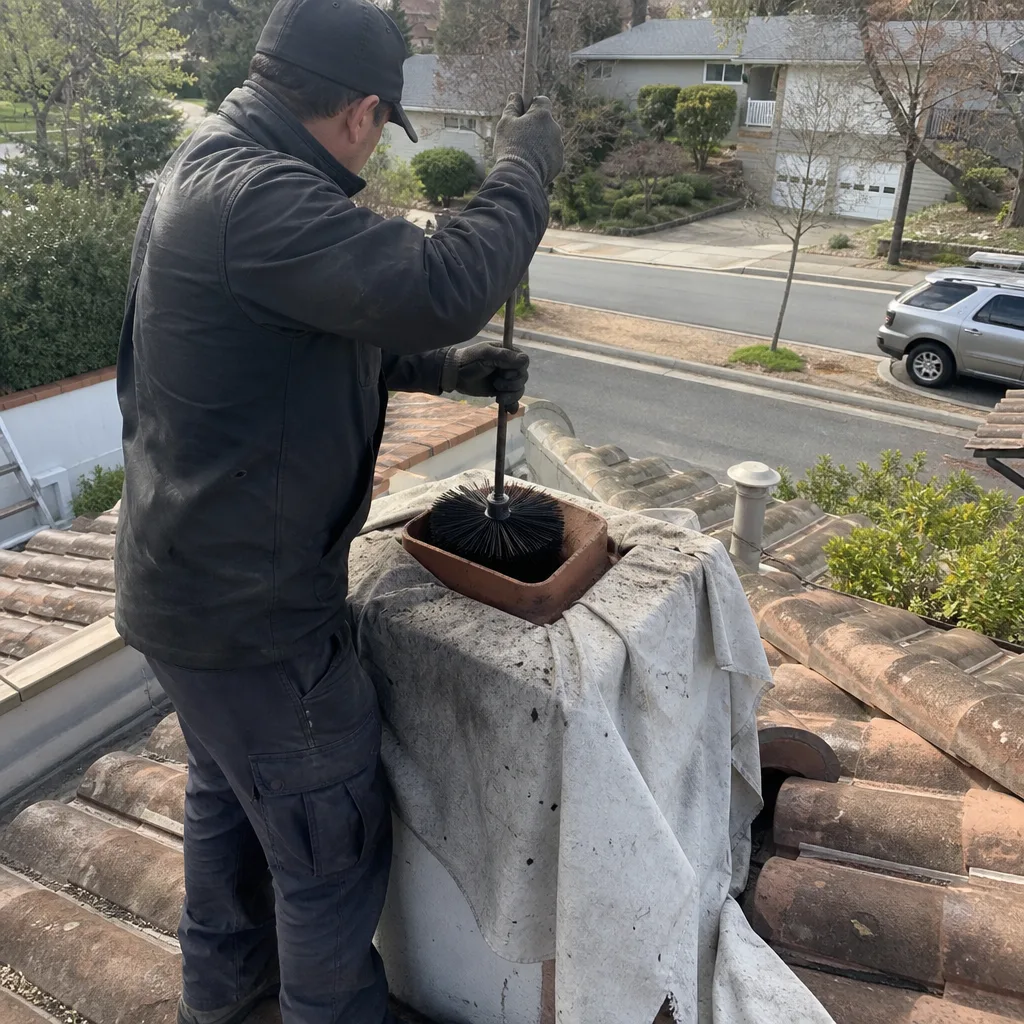
A proper chimney sweep in San Mateo follows a sequence that protects your home, documents findings, and leaves you with a record you can use. Here’s how we execute every Chimney Cleaning & Sweep in San Mateo:
Step 1: Pre-service protection and setup
We lay protective sheeting from the entry door to the fireplace, set up a HEPA vacuum for dust containment, and inspect the work area for furniture or flooring that needs covering. Our technicians arrive in uniform with license information visible, and you’ll receive a text when we’re en route - Haven Standard “Arrive on schedule” and “Verified crews” in practice.
Step 2: Exterior assessment
We examine the chimney crown, cap, flashing, and visible masonry for damage that could affect cleaning safety or indicate needed repairs. In San Mateo’s fog-exposed neighborhoods, we pay particular attention to crown deterioration and flashing corrosion that allow moisture entry.
Step 3: Interior appliance and firebox inspection
Before any cleaning, we inspect the firebox, damper, smoke shelf, and smoke chamber for damage or obstruction. This determines tool selection and identifies any conditions that make cleaning unsafe without repair first.
Step 4: Camera scan and baseline documentation
The NFPA 211 Level 2 camera enters the flue. We record full-length footage, capture still images at defined intervals, and note liner material (clay tile, stainless steel, cast-in-place), joint condition, and deposit classification. This is the documentation that becomes your record.
Step 5: Mechanical cleaning
Based on deposit type and flue dimensions, we select appropriate brushes, rods, or rotary chain systems. For Class III glazed creosote, we apply ACS anti-creosote treatment and allow proper dwell time before mechanical removal. For acidic condensate films common in San Mateo, we use specialized neutralizing agents compatible with your liner material.
Step 6: Debris removal and HEPA vacuuming
All loosened material is captured at the point of removal. Our vacuum systems are designed for fine particulate - the acidic sulfate dust from San Mateo condensate cases is not something you want in your living room.
Step 7: Post-cleaning verification scan
The camera re-enters the flue to confirm complete deposit removal and verify no damage occurred during cleaning. We compare pre- and post-images side by side for your review.
Step 8: Written delivery and scope presentation
Before we pack up, you receive a written summary with photo documentation, any repair recommendations with itemized pricing, and our 365-Day Done Right Promise. If repairs are needed, the written scope specifies materials - DuraFlex liners, HeatShield resurfacing, Gelco caps - sourced through Haven’s buying network to keep pricing honest.
Step 9: Archive and future scheduling
Your record enters our archive, accessible for future reference, warranty claims, or property sale. We recommend next service based on use patterns and findings - typically annually for wood-burning systems in San Mateo, though low-use gas systems may extend to biennial with documented condition.
Chimney Sweep Pricing in San Mateo: What’s on the Invoice
We don’t quote “cleaning fees.” We itemize what we’re doing, what we found, and what it costs. Here’s what San Mateo homeowners should expect to see, and what vague pricing often hides - read our How to Hire a Chimney Cleaning Contractor in San Mateo: A Step-by-Step Guide before you choose.
| Service Component | Typical San Mateo Range | What It Includes |
|---|---|---|
| Standard sweep with Level 2 inspection | $199 - $349 | Full mechanical cleaning, camera scan, photo record, written summary |
| Heavy creosote removal (Class III) | $150 - $300 additional | Chemical pretreatment, rotary chain system, extended labor |
| Acidic condensate treatment | $75 - $150 additional | Neutralizing agent application, specialized for coastal moisture patterns |
| Debris/nest removal | $100 - $250 | Animal extraction, sanitization, cap recommendation |
| Fireplace insert cleaning | $125 - $225 additional | Insert removal, firebox access, reinstallation |
| Written repair estimate | No charge | Itemized scope with materials specified (DuraFlex, HeatShield, etc.) |
What to watch for in competitor quotes:
- “Inspection included” without specification: Often means a flashlight look, not NFPA 211 Level 2 camera documentation
- Flat “cleaning fee” with no itemization: Hides whether you’re paying for actual work or a quick brush-and-vacuum
- Repair recommendations without photo evidence: Every recommendation we make is tied to a timestamped image you can see
- Per-foot or per-story surcharges: We price by service type and condition, not by architectural complexity that should be visible on arrival
Haven Standard Clause 1 requires the written price before work starts - not after we’re in your home, not after we’ve “discovered” something that wasn’t in the quote. Our estimates are free, detailed, and binding for the scope specified. We also offer a Free Second Opinion on any competitor’s written estimate; bring us their quote and we’ll review it against what our camera finds.
San Mateo County-Specific Factors: Burn Days, Moisture, and Codes
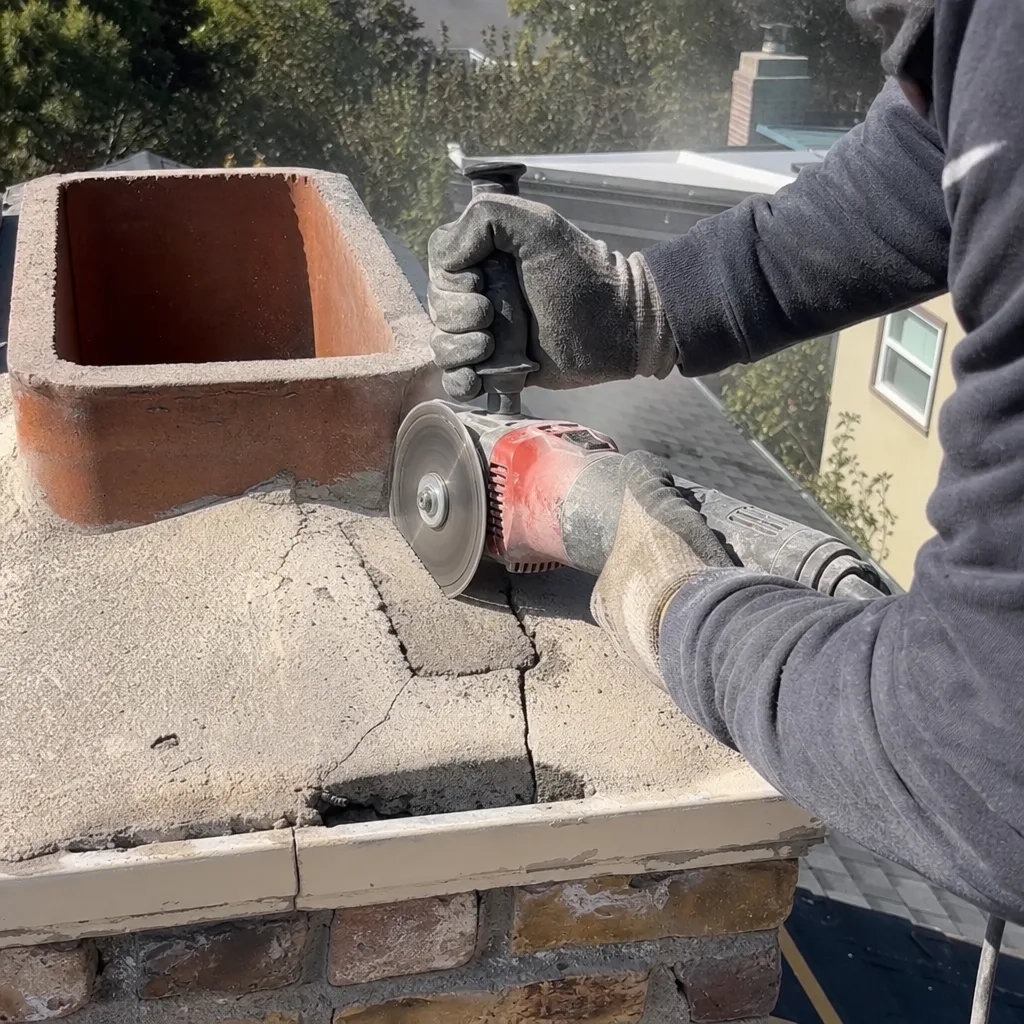
Chimney maintenance in San Mateo exists at the intersection of coastal climate, regional air quality regulation, and local building codes that differ from inland California. Understanding these factors helps you schedule appropriately and avoid compliance surprises.
Bay Area Air Quality Burn Restrictions
The Bay Area Air Quality Management District (BAAQMD) regulates wood-burning from November through February. On Spare the Air Days - typically 15-25 days per winter season - wood burning is prohibited except in homes where it’s the sole heat source. San Mateo homeowners with gas or central heating cannot legally burn on these days.
This regulation shapes maintenance timing. Many homeowners defer sweeping until fall, then find damage that delays their first fire past the holiday season. We recommend scheduling in late summer or early September, before BAAQMD season begins and before the October-November rush that books our calendar two weeks out.
El Niño Moisture Cycles and Liner Deterioration
San Mateo County’s position on the Peninsula exposes it to enhanced moisture during El Niño winters. The 2023-2024 season produced record rainfall that accelerated deterioration in chimneys with existing crown cracks or flashing gaps. We’ve documented increased spalling rates - surface flaking of clay tile liners - in homes from Hillsborough to Foster City that showed no visible exterior damage.
The mechanism is straightforward: water enters through crown or flashing defects, freezes in liner mortar joints during cold snaps, and expands to crack the surrounding material. San Mateo’s relatively mild temperatures mean more freeze-thaw cycles (just below and above 32°F) than colder climates where sustained freezing is less destructive.
Local Code and Permit Considerations
San Mateo County requires permits for chimney liner replacement, structural rebuilds, and appliance conversions. The city of San Mateo maintains its own building division with specific requirements for historic district properties - relevant for homes near the Downtown or Baywood neighborhoods. Emberly Chimney Cleaners San Mateo files permits as part of our Chimney Repair in San Mateo service, with documentation that satisfies both city inspection and your insurance requirements.
Neighborhood-Specific Patterns
In our 38,000+ inspections since 2009, we’ve observed distinct patterns across San Mateo areas:
- Baywood-Aragon and San Mateo Park: Older masonry, often unlined or with deteriorating clay tile; frequent crown and cap replacement needs
- Bay Meadows and newer transit-oriented developments: Factory-built metal chimneys with specific manufacturer maintenance requirements; HOA documentation demands
- Shoreview and Marina Lagoon: Proximity to water increases salt-air corrosion on exterior metal components; cap and flashing inspection priority
- Hillsdale and western slopes: Wildlife intrusion (raccoons, squirrels) due to wooded adjacency; cap screening and debris removal common
Common Mistakes to Avoid
- Assuming “I barely use it” means “it doesn’t need inspection.” San Mateo’s coastal humidity damages infrequently used chimneys faster than regularly used ones. Moisture enters, condenses, and corrodes without combustion heat to dry the flue.
- Accepting a “cleaning” without camera documentation. A brush in the flue proves nothing. The photo record is what your insurer, HOA, or home buyer will request. Insist on NFPA 211 Level 2 documentation or you’re paying for theater.
- Burning on Spare the Air Days. BAAQMD violations carry fines starting at $100 and escalate. Check airnow.gov before lighting any wood fire between November and February.
- Hiring based on lowest price without written scope. The “$99 special” typically excludes camera inspection, excludes debris removal, and discovers “additional problems” only after you’re committed. Get the full scope in writing before anyone enters your home.
- Ignoring crown and flashing maintenance. San Mateo homeowners often focus on the flue interior while water enters through deteriorated crowns. A $200 crown seal prevents $3,000+ liner replacement.
- DIY creosote removal with hardware store tools. Class II and III glazed creosote requires rotary chain systems and chemical pretreatment. Manual brushing hardens the glaze and can damage liner surfaces. This is not a weekend project.
- Deferring maintenance until sale time. Pre-listing chimney inspections that reveal deferred damage force rushed repairs at premium pricing, or kill deals entirely. Documented annual maintenance protects value continuously.
When to Call a Professional
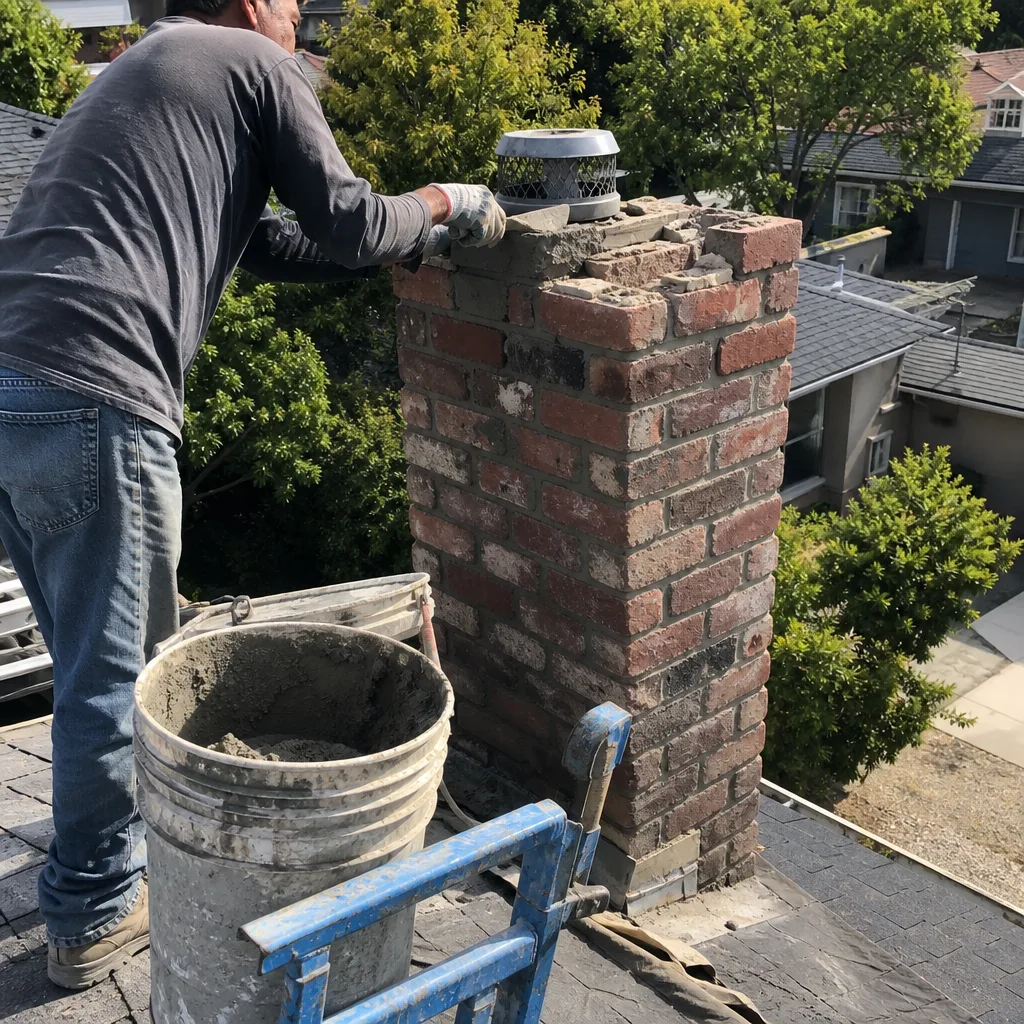
Call a certified chimney professional if you notice smoke backup into the room, a strong odor from the fireplace when not in use, visible creosote flakes in the firebox, white or green staining on exterior masonry, or if it’s been more than 12 months since your last documented inspection. After any seismic event, chimney fire, or major storm, schedule Level 2 inspection before next use.
Emberly Chimney Cleaners San Mateo offers free estimates in San Mateo - call (650) 600-3117. Every estimate includes a written scope, itemized pricing, and explanation of what documentation you’ll receive. We don’t believe in “call for a quote” because we don’t believe in pricing uncertainty.
Frequently Asked Questions
A standard chimney sweep with NFPA 211 Level 2 camera inspection in San Mateo typically costs $199-$349. Heavy creosote removal, acidic condensate treatment, or debris extraction add $75-$300 depending on condition. We deliver a written price before any work starts - call (650) 600-3117 for a free estimate with exact pricing for your system.
Wood-burning systems in San Mateo should be inspected annually and cleaned as needed, typically every 1-2 cords of wood burned. Gas systems can extend to biennial intervals with documented Level 2 inspection, though coastal humidity still requires regular moisture-damage assessment. The NFPA 211 standard is clear: annual inspection is the baseline; cleaning frequency follows from what the inspection finds.
You should never accept a liner replacement recommendation without seeing timestamped camera footage of the damage. At Emberly Chimney Cleaners San Mateo, we show you the crack, gap, or spalling we found, explain the safety implication, and specify whether the condition requires immediate action or can be monitored. Our Free Second Opinion on any competitor’s written estimate exists precisely because upselling is common in this trade. Documentation, not pressure, drives our recommendations.
Skipped maintenance in San Mateo’s climate leads to progressive liner deterioration from acidic condensate, increased chimney fire risk from accumulated creosote, and carbon monoxide infiltration through cracked flue systems. Homeowner’s insurance may deny claims for chimney-related damage without proof of documented maintenance. The cost of deferred maintenance typically exceeds preventive care by 5-10x when liner replacement or structural rebuild becomes necessary.
A sweep is the physical cleaning of soot and deposits from the flue and firebox. An inspection is the evaluation of system condition, including camera documentation of surfaces the brush cannot reach. In practice, they should occur together: the inspection determines whether cleaning is safe to perform, and the post-cleaning verification confirms complete deposit removal. Emberly Chimney Cleaners San Mateo does not perform sweeps without inspection or inspections without documentation - Haven Standard Clause 4 requires both.
San Mateo County follows California Building Code and BAAQMD air quality regulations. Wood-burning is prohibited on Spare the Air Days during winter months. The city of San Mateo requires permits for liner replacement and structural repairs, with additional review for historic district properties. Many Peninsula HOAs now require annual Level 2 documentation. We handle permit filing as part of our repair services and provide HOA-compliant documentation on every visit.
The Bottom Line
Chimney cleaning in San Mateo is not about removing visible soot. It’s about documenting the condition of a system that coastal humidity, infrequent use, and acidic condensate are actively degrading while you don’t notice. The flashlight inspection and quick brush that pass for “cleaning” elsewhere miss the damage that matters on the Peninsula. Real protection comes from NFPA 211 Level 2 camera documentation, written records that transfer with your property, and pricing that’s itemized before work starts. That’s what Haven Standard Clause 4 has required since 2009, and it’s what Emberly Chimney Cleaners San Mateo delivers on every visit.
For Fireplace Services in San Mateo that include proper documentation, or to schedule your free estimate, call (650) 600-3117. Our phone is answered by a live person 24 hours a day, and you’ll receive a written scope with itemized pricing before any work begins.
Written by Corrine Halstead, Owner at Emberly Chimney Cleaners San Mateo, serving San Mateo since 2009.